
Tampa Garage Door Guide
What Actually Happens When We Come Out to Your Door
A straight look at what a Tampa Garage Door Co service call actually covers, based on the age of housing stock across Tampa and the Gulf-coast climate it sits in.
The Cost of This Job
We're not going to hand you a number here that doesn't mean anything until we see the door. What we can tell you is what drives the cost on most calls in this part of Florida. A big share of the housing in the Tampa service area went up between 1968 and 2011, with the median build year sitting around 1990. That means a lot of doors and openers are original or close to it - hardware from a build era that doesn't always match what's on the truck today. If your spring, cable, or opener board is from that period, we may need to source a part rather than grab one off the shelf, and that changes the visit. A door installed in the last ten years is usually a faster, cheaper call because the parts are current and the hardware is standard. We tell you what we find before we touch anything, and if a repair is going to cost close to what a new door runs, we say so instead of running up the bill on an old door that's on its way out anyway.
One honest limit: we don't stock every part for every era of door. Anything from the older end of that 1968 build window may mean a short wait on a specific spring size or track bracket.
When to Get Help
Call before the door fails completely, not after. A torsion spring that's starting to sag, a track that's pulled slightly away from the frame, an opener that grinds before it lifts - these are cheaper to deal with now than after the cable snaps or the panel buckles. Homes built in the 1980s and 90s, which make up a large chunk of the roughly 32 named residential areas we cover from Hyde Park to Temple Terrace, often show wear in the same spots: the spring first, then the rollers, then the opener drive gear. If your door is making a new noise it didn't make a month ago, that's the window to call, not after it stops opening.
We also get calls where the door is fine and the real issue is a housing or income question in disguise - someone weighing repair against replacement on a 25-year-old door. With a median household income around $80,000 across the service area, most owners here can go either way; we'll tell you honestly which one makes sense for that specific door rather than pushing the bigger job.
What Local Conditions Do
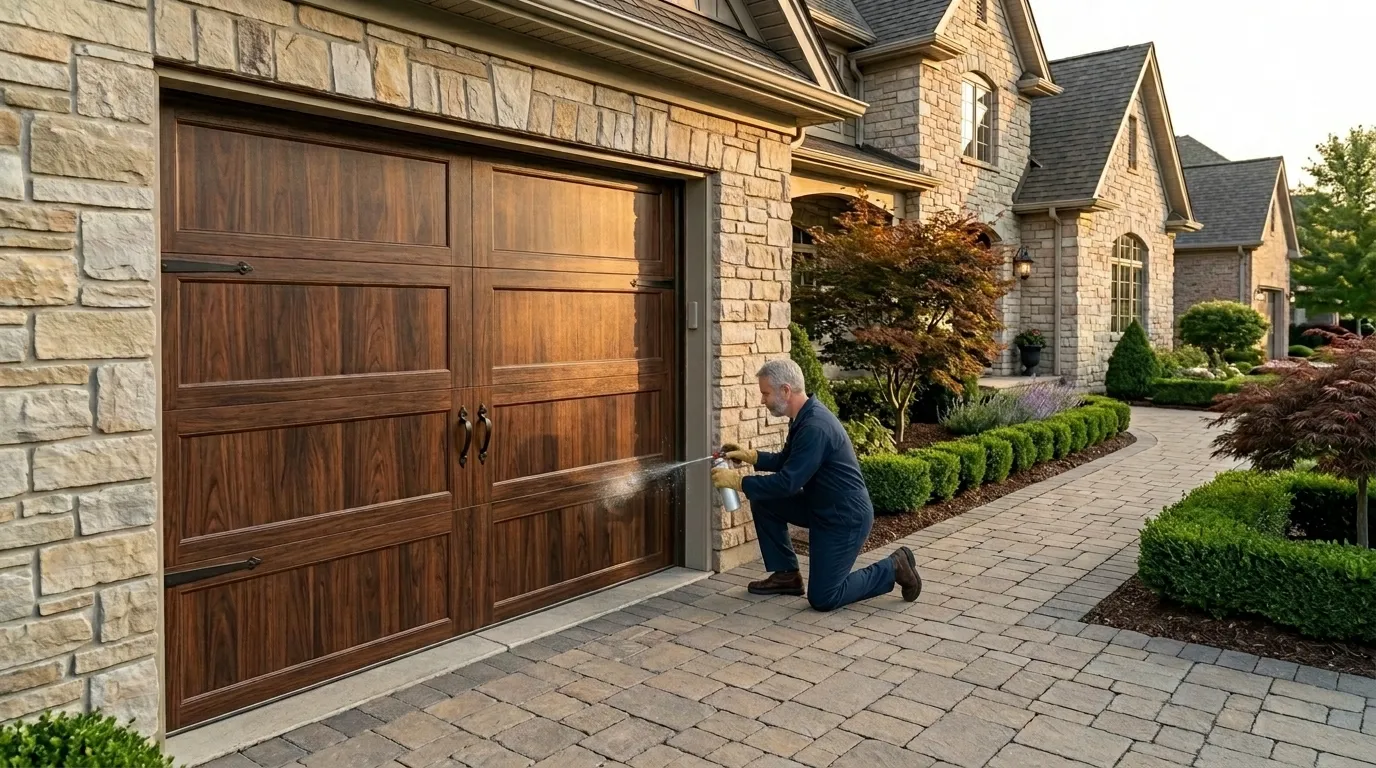
Tampa sits in a mild temperate band, not a harsh freeze-thaw one, so the wear pattern on doors here isn't about ice splitting seals the way it is up north. It's steady humidity and heat cycling that gets to the hardware over years - springs losing tension a little faster, lubricant on tracks and hinges breaking down sooner than a spec sheet from a colder state would suggest. On a door built in that common 1980s-90s stretch, that shows up as a torsion spring that's tighter to wind, or rollers that have gone from quiet to squeaky well before you'd expect on paper.
This is also why a service call here often includes a look at the full run of hardware, not just the one part you called about. If your spring is thirty years old, the cable on the other side of that same door is that old too, and it's worth checking while the door is open on the truck's schedule rather than a second call later.
The Situation
Across the roughly 310,000 households and 136,000 owner-occupied houses in the area we work, the door problems we see track pretty closely with the age of the house. Older housing near the center - Hyde Park, Ybor City, Davis Islands - tends to have older doors with original hardware. Newer construction further out, toward areas like Westchase or Citrus Park, tends to have newer opener systems with different failure points, mostly electronics rather than springs.
What a service call covers, in plain terms: we look at the door, the track, the spring and cable, and the opener, tell you what's actually wrong versus what's just old, and give you a real number for the fix before doing anything. We don't push a full replacement on a door that just needs a spring, and we don't patch a door that's past the point where patching makes sense. That's the whole job.
How We Can Help
Garage Door Repair
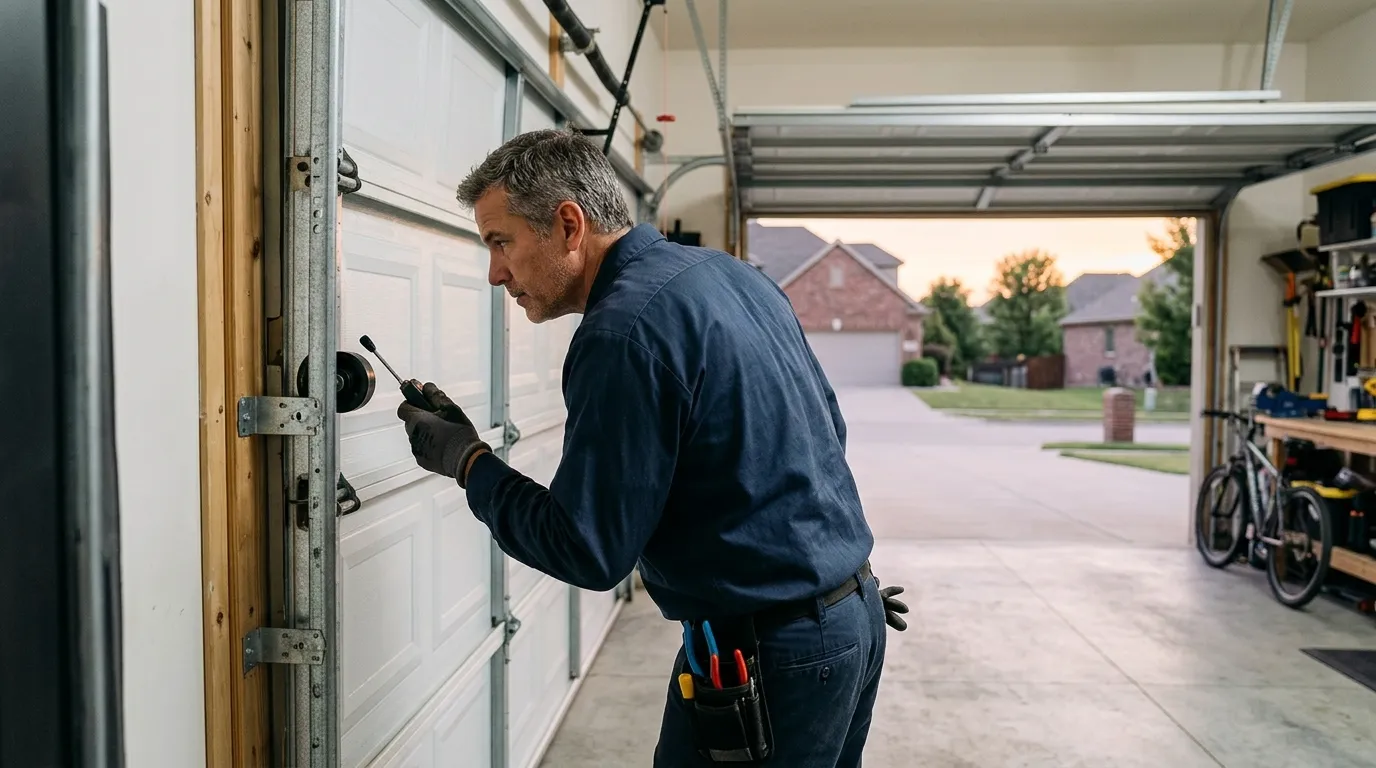
Springs, cables, tracks, rollers, and openers fixed by a tech who explains the problem before touching anything.
Learn more →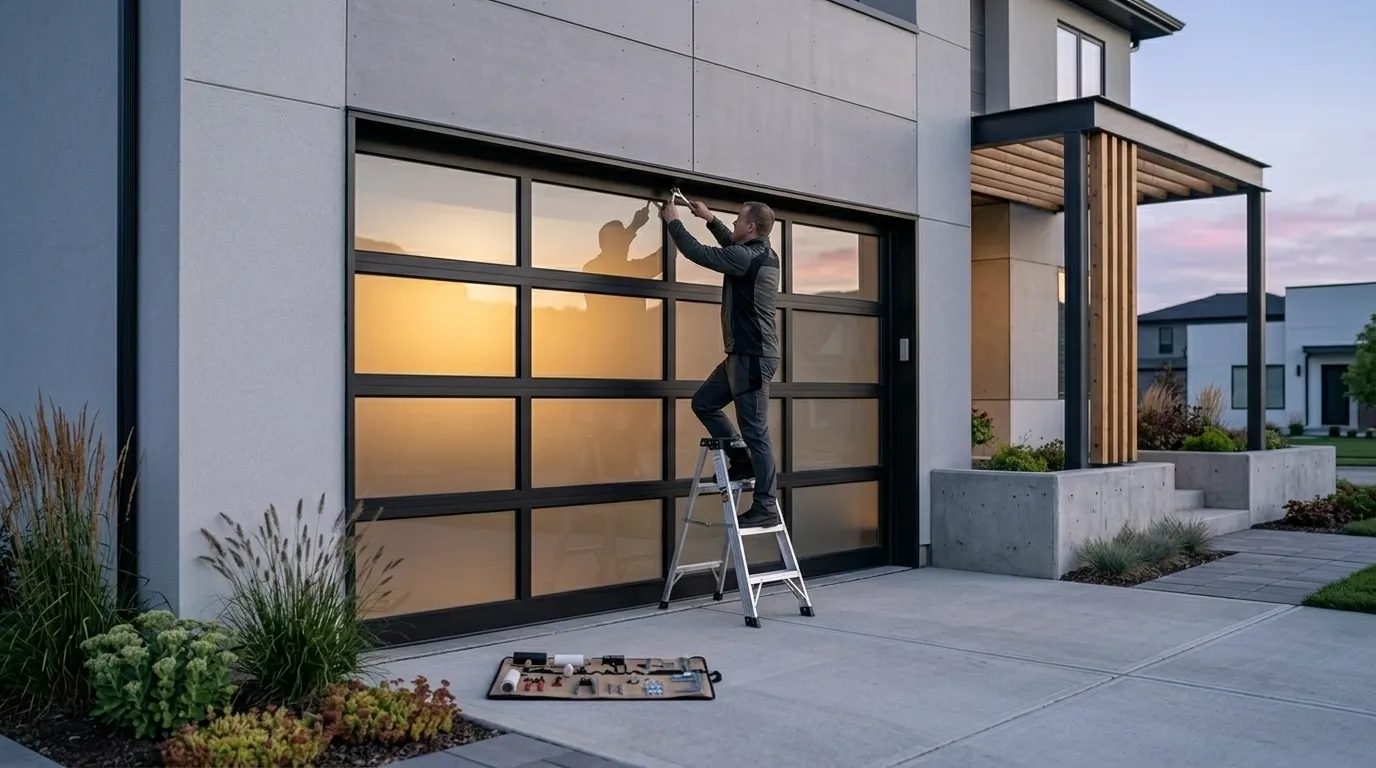
Garage Door Installation
New sectional doors sized and installed for the housing stock actually built in this area.
Learn more →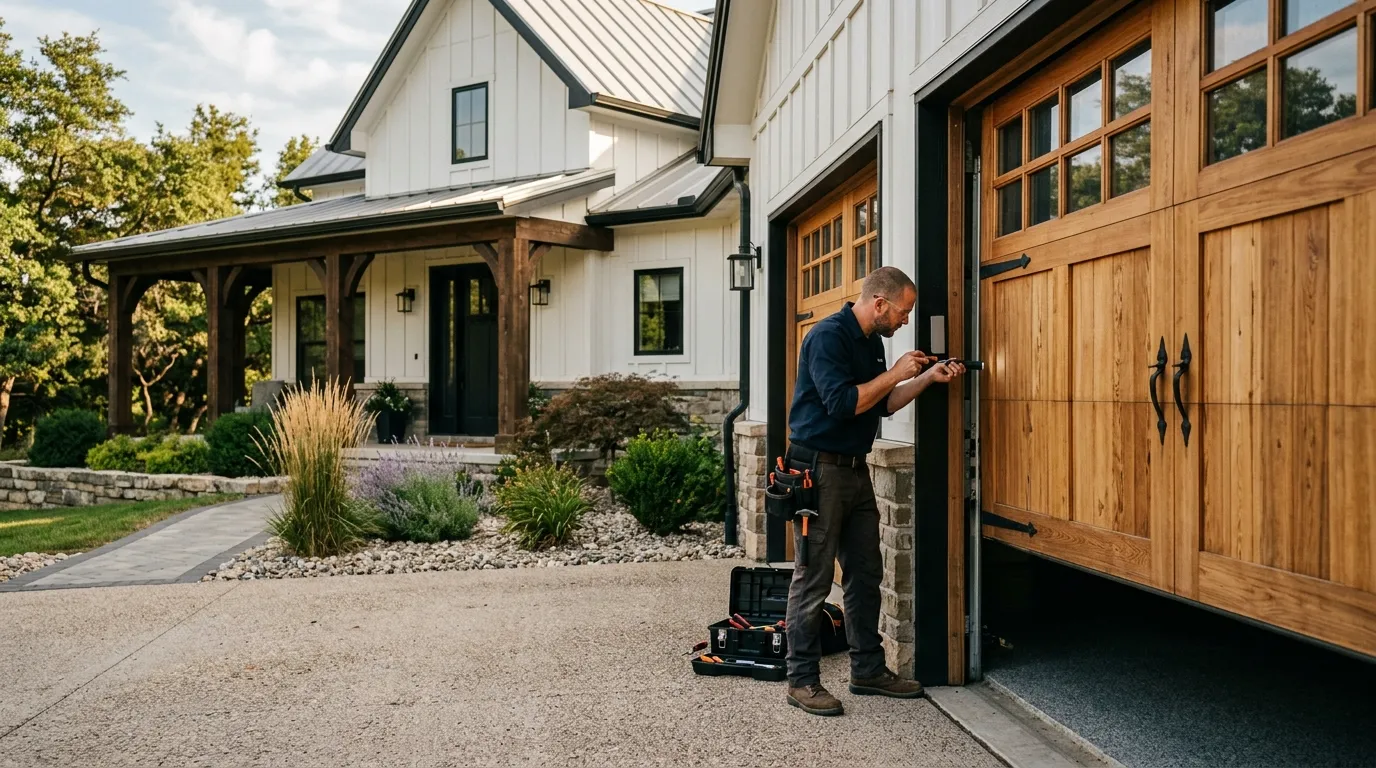
Garage Door Service
Tune-ups, lubrication, and safety checks that catch a small problem before it becomes a service call.
Learn more →Frequently Asked Questions
How do I know if my door just needs a repair or a full replacement?
It comes down to age and what's failing. If the door itself and the track are solid and it's one part - a spring, a cable, a roller - that's a repair. If the door was installed decades back and multiple systems are failing at once, replacement usually costs less over time than repeated repair calls.
Does Tampa's humidity actually affect garage door hardware?
Yes. In this mild temperate climate, the wear isn't from freezing, it's from steady heat and moisture cycling on springs, tracks, and lubricant. Hardware here tends to need more frequent lubrication and earlier spring service than the same door would in a drier, colder climate.
Can you get parts for an older door built in the 80s or 90s?
Often, yes, but not always off the truck. A lot of housing in this area was built in that window, so we see that hardware regularly, but some spring sizes or bracket styles from that era take longer to source than current parts.
What's included when you come out for a service call?
A look at the door, track, spring, cable, and opener, an explanation of what's actually wrong, and a price before we start work. We don't diagnose over the phone and quote sight unseen - the real answer depends on what we find on the door itself.
Have a Door That Needs a Second Opinion?
Call and describe what it is doing - we will tell you what it likely is.