
Service
Garage Door Service for Tampa Houses Built in the 1968-2011 Wave
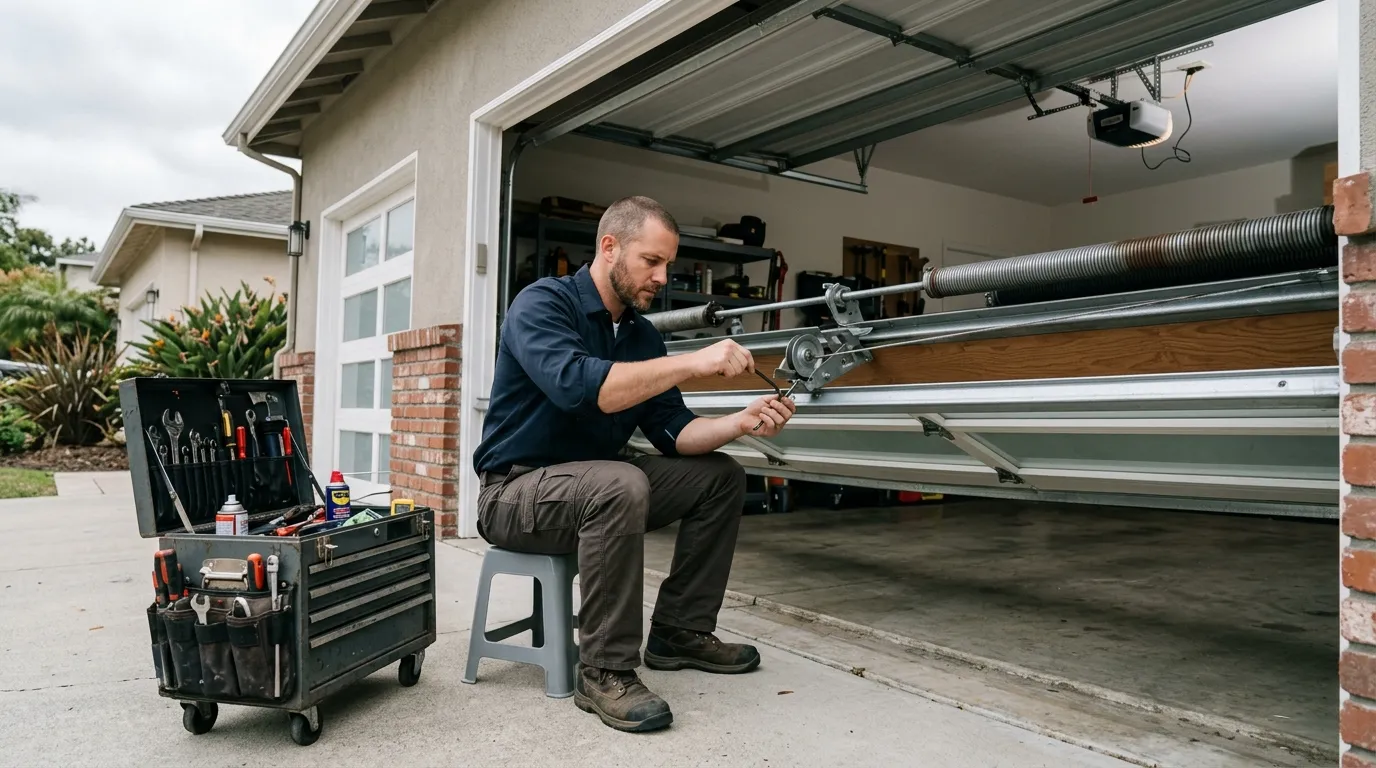
Serving Tampa homes built mostly between 1968 and 2011, we work on the original springs and openers that are now reaching the end of their run.
What Happens When You Call
-
1
Call or Request a Quote
Tell us what the door is doing and roughly how old the house is - that alone points us toward the likely part before a truck leaves.
-
2
On-Site Diagnosis
A tech checks the spring, cables, tracks, and opener in person and tells you plainly what is actually wrong.
-
3
Straight Price, No Surprises
You get a number before any work starts. It covers parts and labor, nothing added after the fact.
-
4
Fixed the Same Visit
Most repairs are done in one trip. If a part needs sourcing, we tell you that upfront instead of guessing.
Why This Fails Locally
Tampa's housing stock mostly went up between 1968 and 2011, with the median home dating to around 1990. That matters more than most owners realize. A garage door system installed when a house was built - the torsion spring, the track bolts, the opener gearing - has a working life, and a huge share of Tampa's houses are now sitting right at the point where that original hardware is worn out rather than merely old.
The climate does its own damage on top of the age problem. Tampa sits in a mild temperate band, so we don't get the freeze-thaw cycling that cracks hardware up north. What we get instead is steady humidity, month after month, working into unlubricated spring coils and unsealed track hardware. Rust doesn't need a hard freeze - it needs moisture that never really goes away, and that's what this climate gives it. A spring that would last decades in a dry inland state can seize or snap here well ahead of schedule if it was never serviced.
Across the service area - from the older lots near Hyde Park and Ybor City in to newer construction out toward Westchase and Cheval - the failure looks different by decade of construction, but the root cause is the same: original-era parts meeting decades of Gulf Coast humidity.
Doing It Yourself
A torsion spring holds enough stored tension to break a bone or worse if it lets go while you're working on it, and that risk doesn't change because a spring is old or already showing rust. We won't walk you through spring replacement as a weekend project, and any guide that treats it as one is leaving out the part where people get hurt.
What you can reasonably do yourself: check the tracks for visible rust or bent rail, listen for grinding in the opener, and watch whether the door closes level or drags to one side. Note it down. That's diagnostic information, not a repair.
Here's the honest limitation: if your springs or cables are original to a house built in the 1968-2011 range, replacing them is not a DIY job, full stop. That's not us protecting a job - it's the same reason no licensed shop hands a customer a spring kit and a wave goodbye.
How Long You Are Without the Door
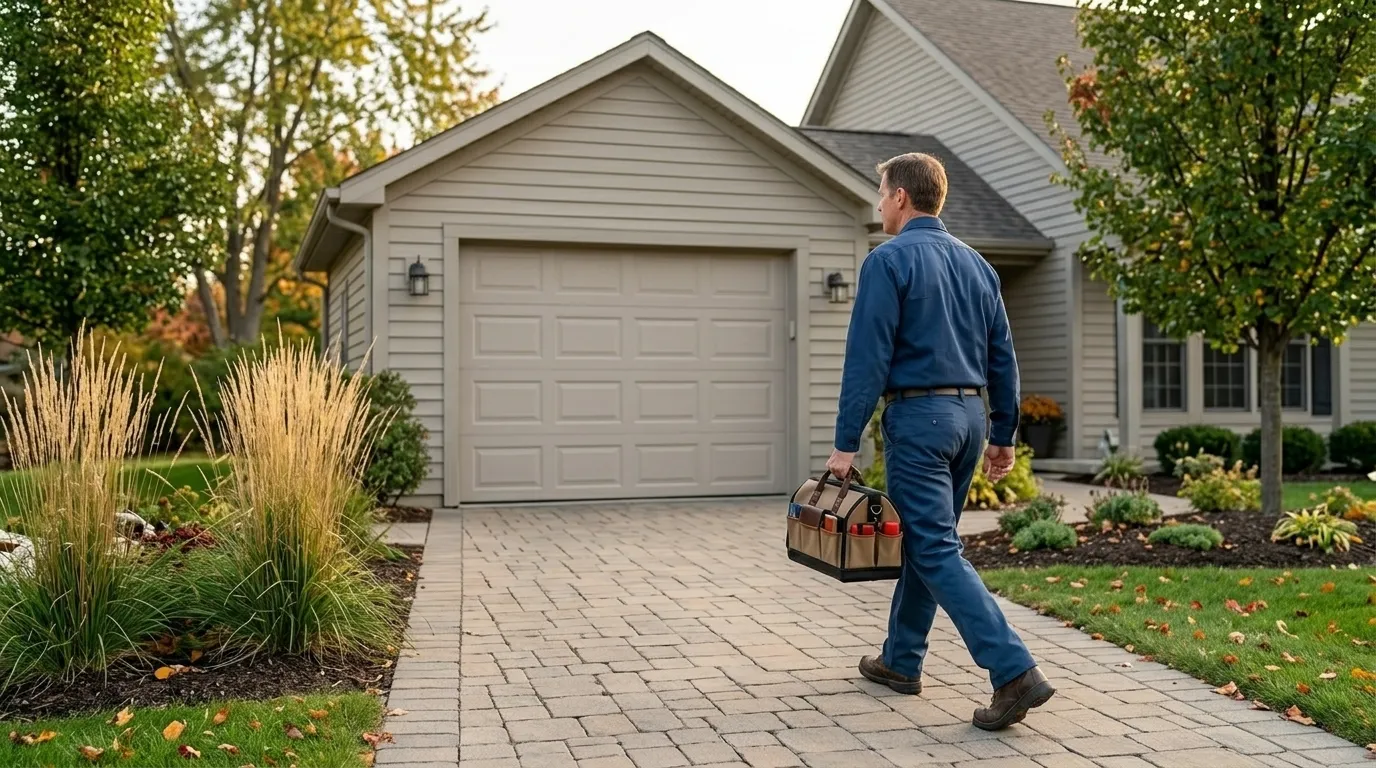
How long your door is out of service depends mostly on what actually failed and whether the part is something we carry on the truck versus something we need to order. We don't have a fixed timeline to promise you here - it depends on the job - but the pattern in Tampa's housing stock is fairly consistent: original torsion springs and older chain-drive openers from the 1980s-90s wave of construction are common failures, which means we see them often enough that the parts are usually not exotic.
What we won't do is quote you a turnaround before we've looked at the door. A rusted spring on a standard double door is a different job than a track bent from years of humidity swelling the wood jamb around it, and pretending those take the same amount of time doesn't help anyone.
How It Shows Up
The failure rarely announces itself as a full stop. More often it starts as the opener straining on the way up - a motor working harder than it used to because a spring is losing tension. You'll notice the door feels heavier if you ever lift it by hand, or it drifts down a few inches after the opener stops.
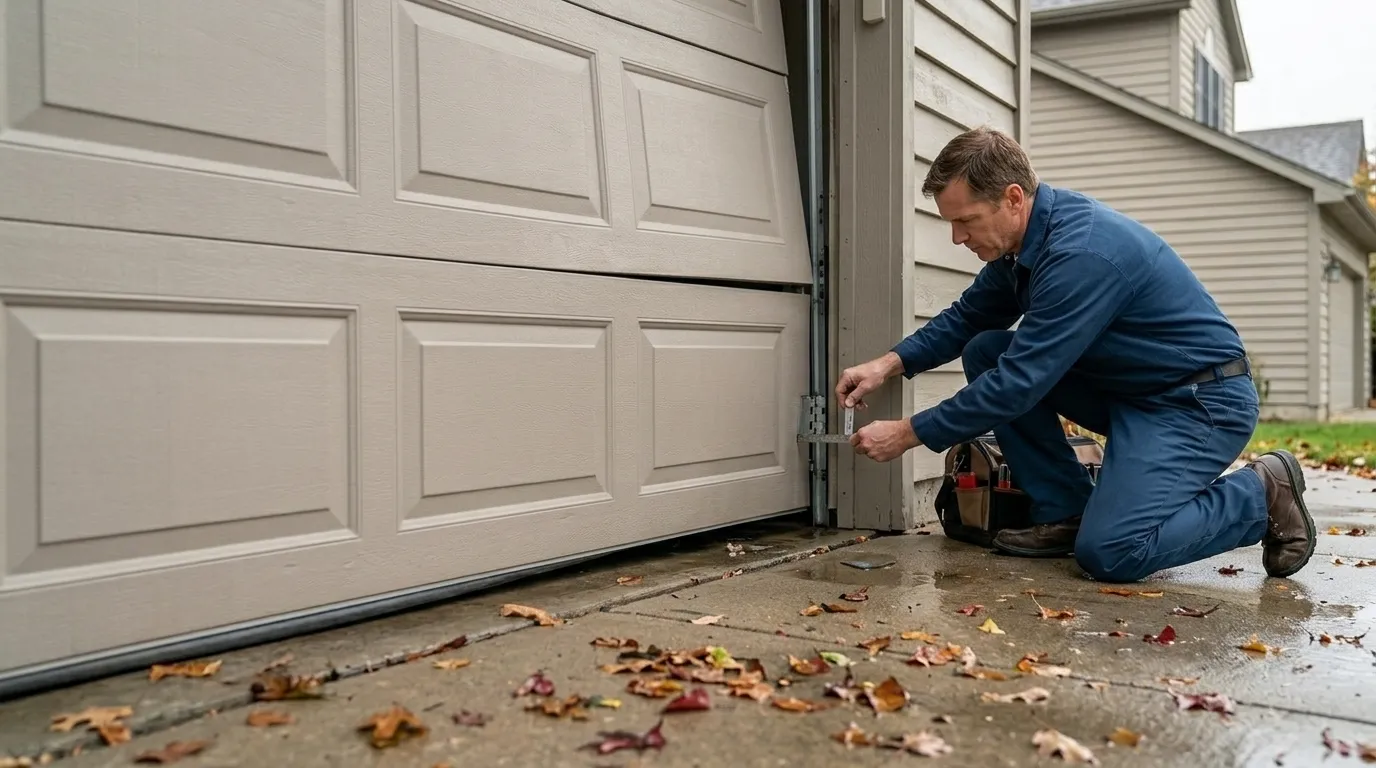
Uneven closing is another early sign: one side of the door touches the floor before the other, which usually points to a spring or cable that's stretched or corroded unevenly - common where humidity has reached one side of the hardware more than the other.
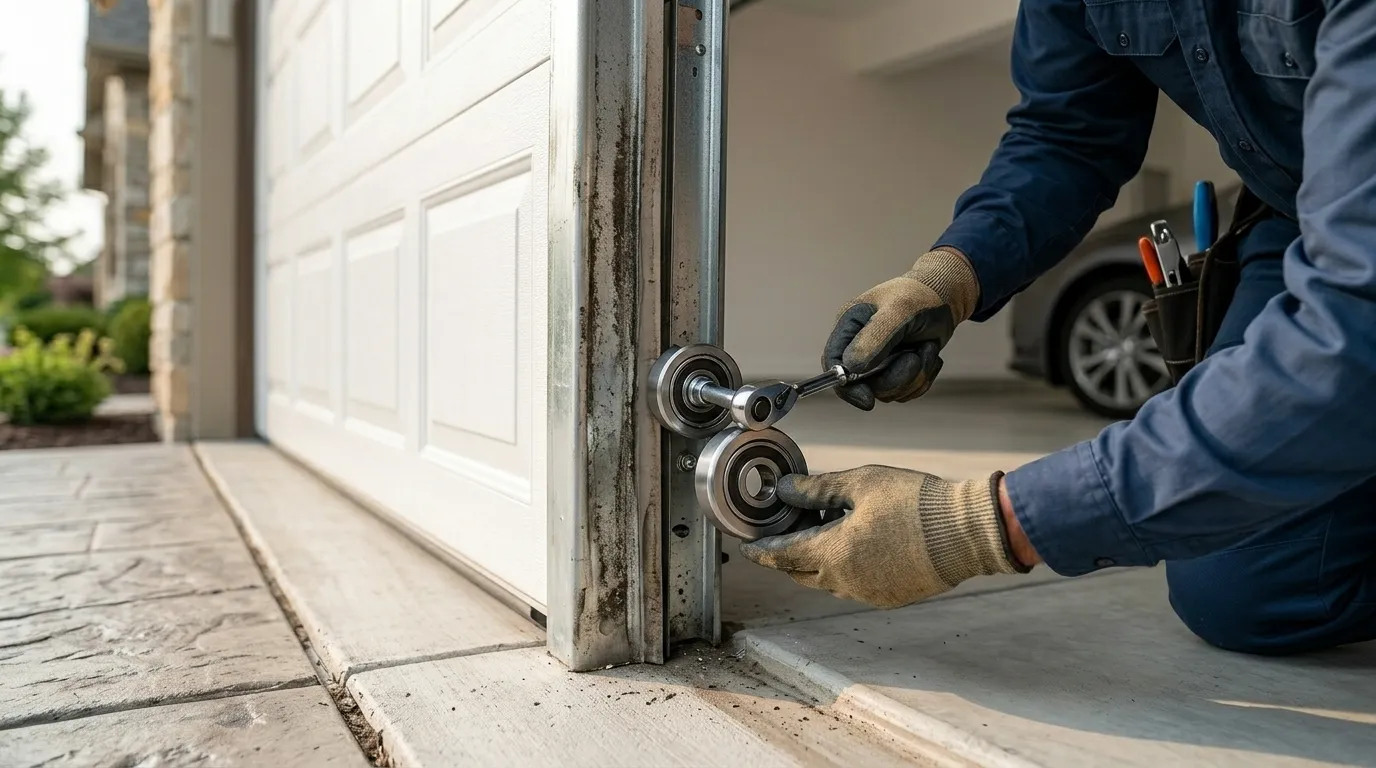
Noise changes too. A grinding or popping sound at the top of the track often means a roller or bearing that's been sitting in Tampa's humidity long enough to pit. None of these on their own mean an emergency, but in houses from the 1968-2011 construction wave, they're usually the same underlying story: original hardware finally giving out.
Why Tampa Calls Us
Other Ways We Can Help
Talk to a Technician Before You Book
Describe what the door is doing and get a straight answer on what it likely needs.
Jobs Like Yours
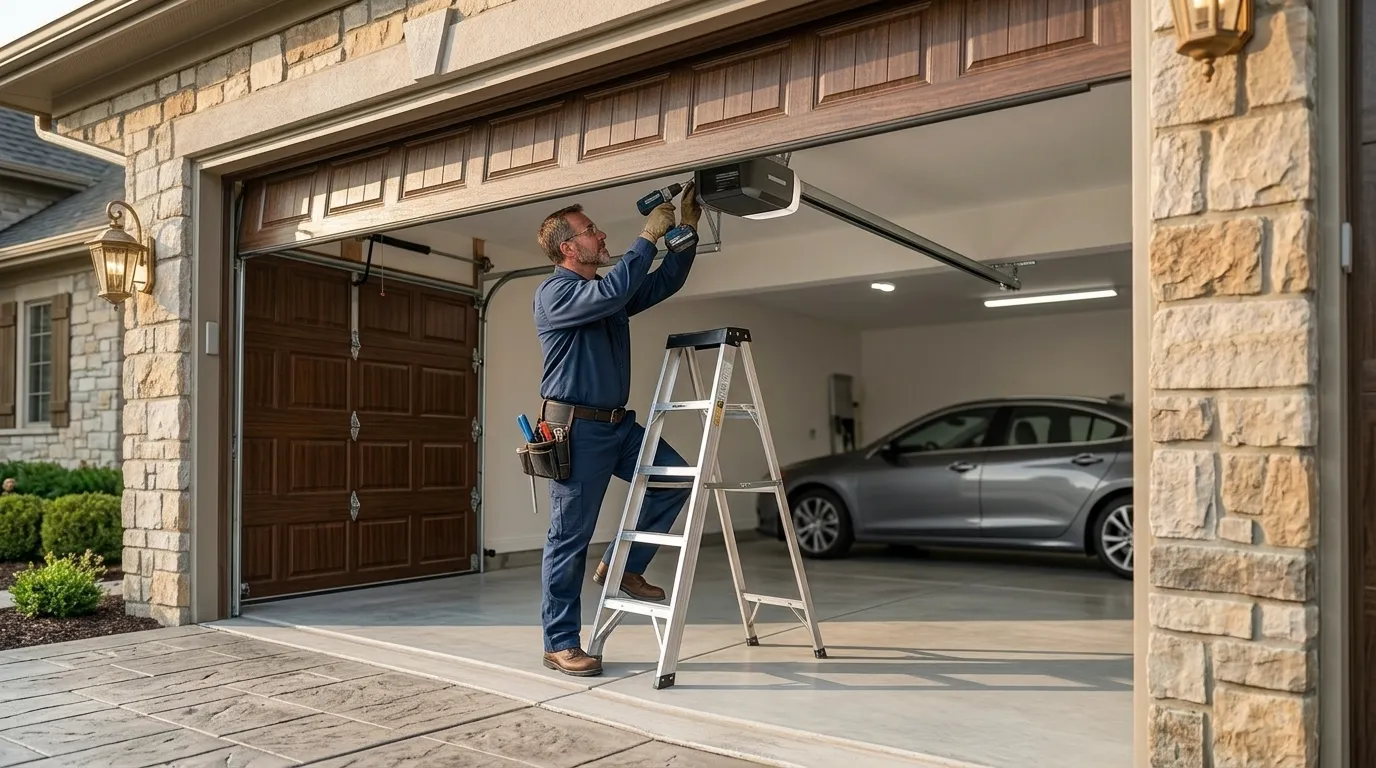
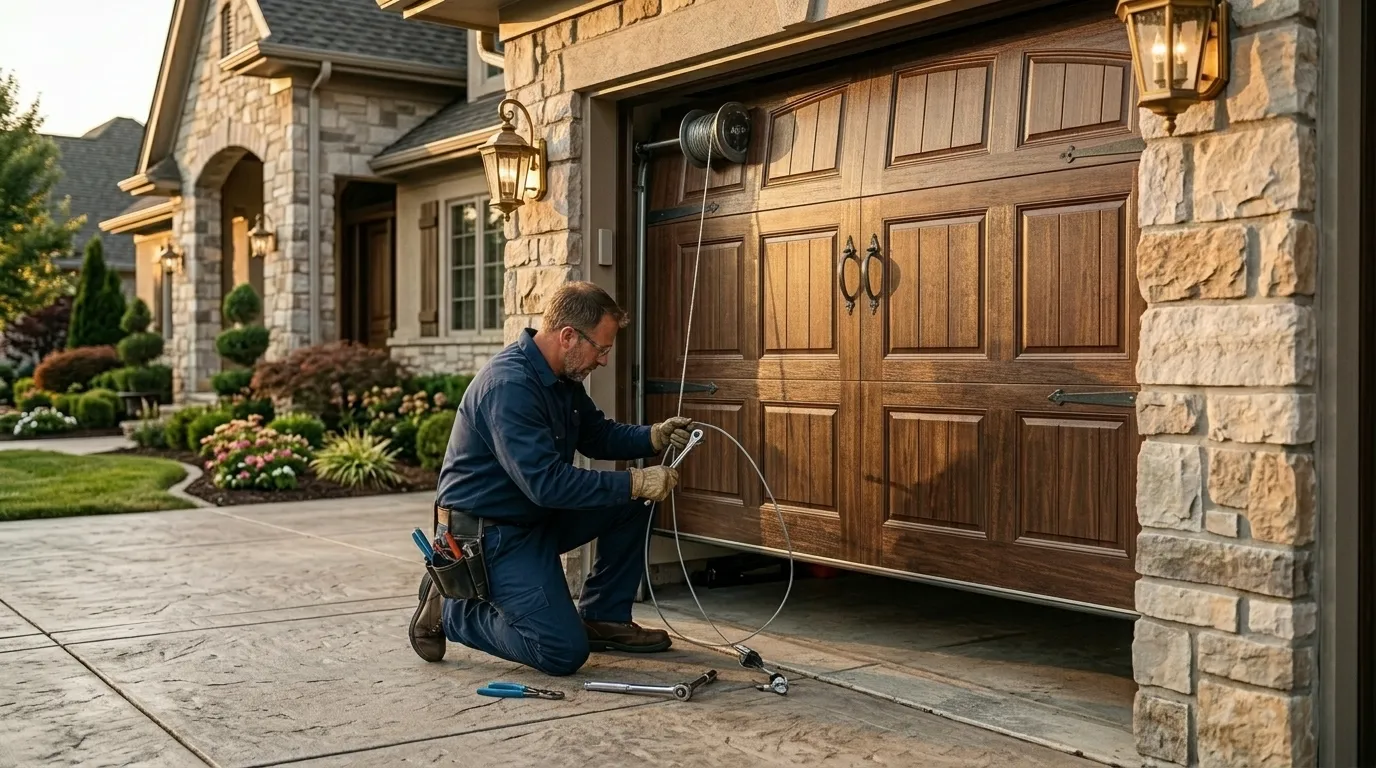
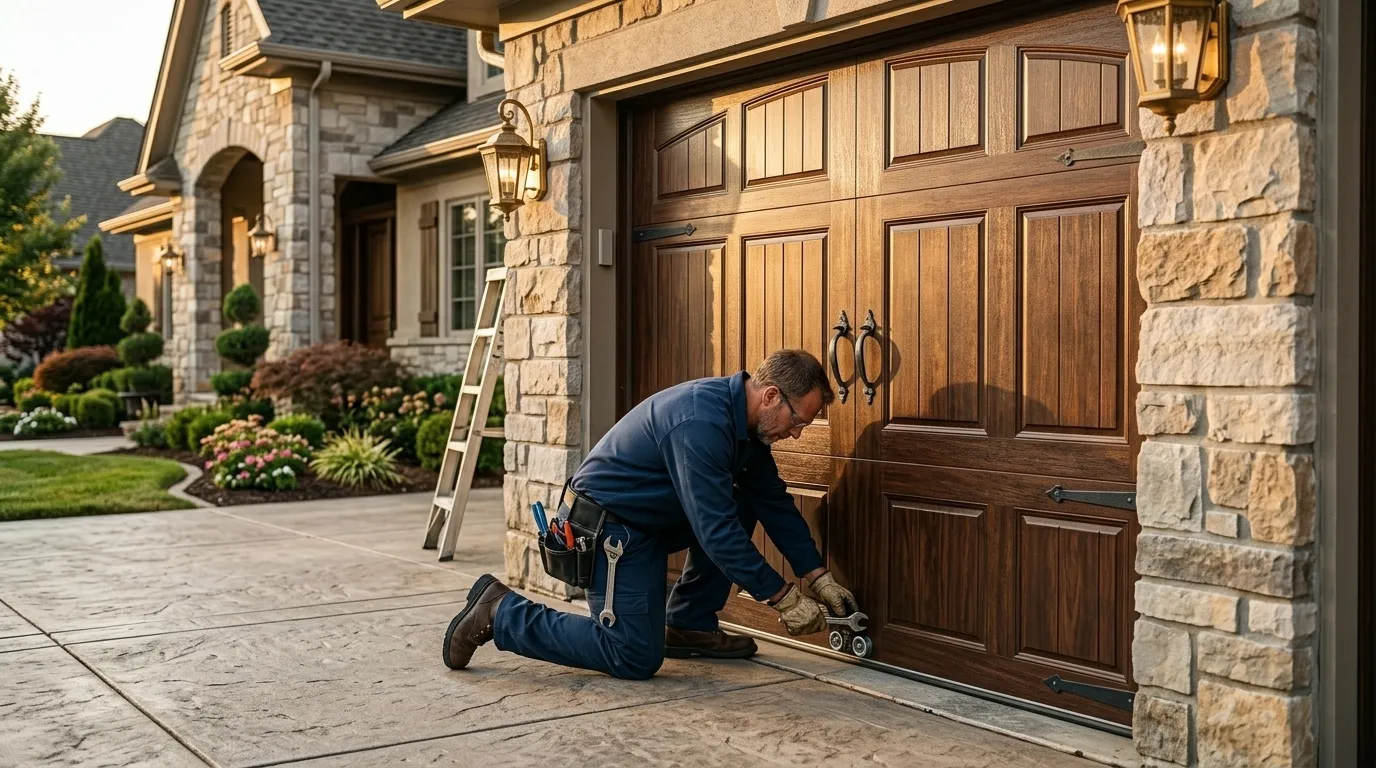
Recent work from this service line.
Frequently Asked Questions
Why do garage door springs fail so often in Tampa specifically?
Most Tampa houses were built between 1968 and 2011, with a lot of that stock dating to the 1980s and 90s. Springs from that era are reaching the end of their working life at the same time, and Tampa's steady humidity - rather than any hard freeze - accelerates rust on coils and hardware that were never sealed for constant moisture.
Can I replace a torsion spring myself to save money?
No. A torsion spring under tension can cause serious injury if it releases while you're working on it, regardless of how old or corroded it looks. This isn't a job we'll walk you through, and it's not one any licensed shop recommends as DIY.
How do I know if my opener or springs are original to the house?
If your Tampa home was built in the 1968-2011 range and the hardware has never been replaced, it's likely original or close to it. Signs of age include a heavier-than-normal door, uneven closing, or grinding noise at the top of the track.
Does Tampa's climate affect garage doors differently than colder states?
Yes. Tampa sits in a mild temperate band with no real freeze-thaw cycle, but the trade-off is near-constant humidity, which corrodes unsealed spring coils and track bolts steadily over years rather than cracking hardware suddenly the way a hard freeze would.
Need Garage Door Service for Tampa Houses Built in the 1968-2011 Wave?
Call now for straight answers on cost and timing.