Tampa Garage Door Co
Garage Door Repair for Tampa's 1970s-2000s Housing Stock
Garage door repair for Tampa homes built between 1968 and 2011, from Northeast MacFarlane to South Tampa. Springs, openers, tracks fixed on original hardware.
What It Costs and Why
We can't give you a number over the phone, and we won't pretend to. What a job costs depends on what's actually on your house - a torsion spring sized for a heavier insulated door costs more than the spring on a builder-grade steel door from the same era, and a lot of Tampa's housing spans exactly that range, from 1968 through 2011. Openers are the same story: a chain-drive unit from the 1990s takes different parts than a belt-drive from the 2010s.
What we can tell you is what drives the number up or down: how old the torsion hardware is, whether the track is bent or just out of alignment, whether the panel damage is cosmetic or structural, and whether the door is a stock size or something custom. We look at the door before we quote a repair, not after.
One honest limitation: if your door is old enough and damaged enough that parts availability becomes the bottleneck, we'll tell you replacement is the better call rather than stack repair costs on a door that's on its way out anyway. That's not us upselling - it's us not wanting you to pay twice.
The Housing Stock Here
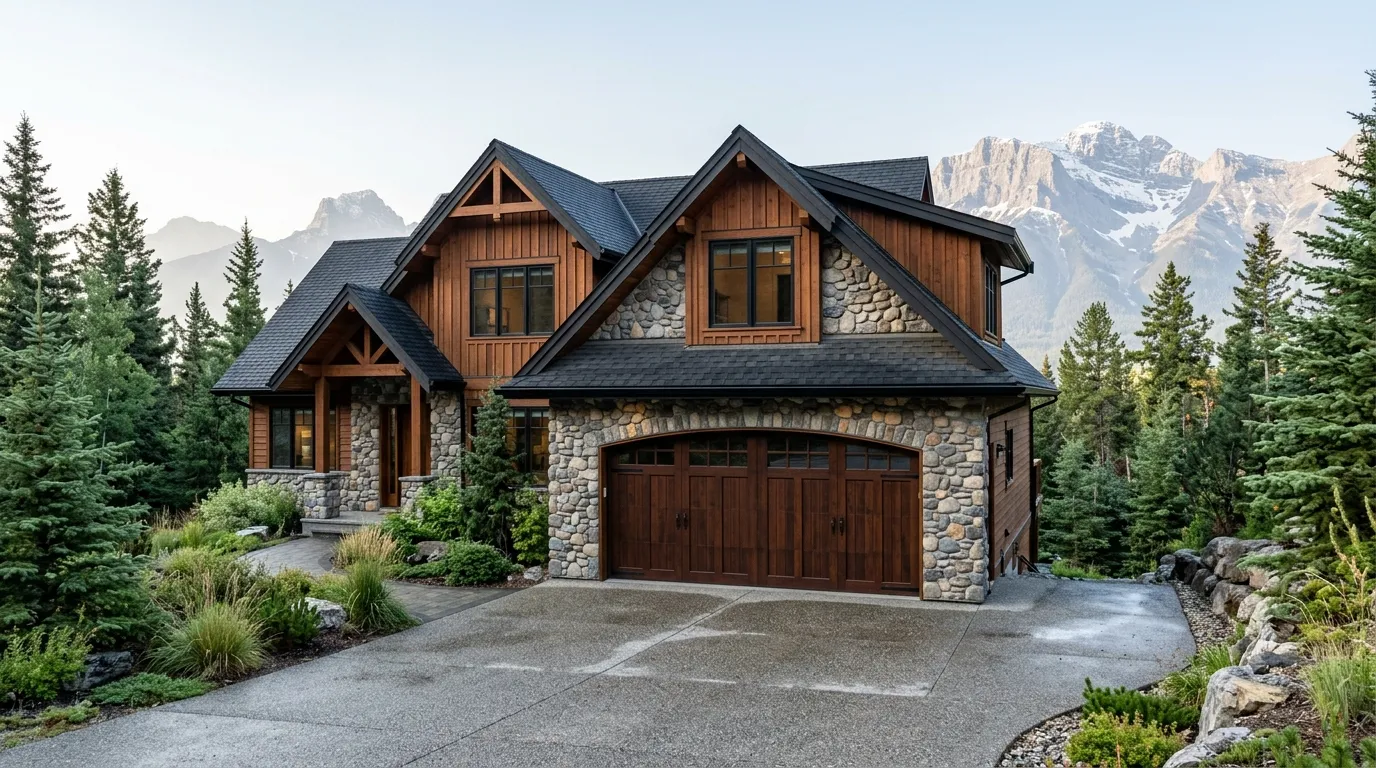
Tampa's housing runs from 1968 through 2011, with the median build year sitting around 1990, and most of it clusters in that 1980s-90s stretch across the named pockets of the metro - Northeast MacFarlane a mile west of downtown, Hyde Park and Drew Park a couple miles out, South Tampa and Westshore a few miles southwest, Ybor City to the east, Old Seminole Heights and Davis Islands to the north and south. That range matters for garage doors because it spans several generations of hardware: early torsion setups on one-piece or sectional steel doors, then the wider run of standard steel sectional doors with lighter torsion springs that dominated construction through the 90s, then the insulated and heavier doors that started showing up as building codes tightened toward the 2000s and 2010s.
Out toward Temple Terrace, Seffner, Valrico, and Fish Hawk, and up through Trinity and Odessa, you get more of the newer end of that range. Closer in - Ballast Point, Palma Ceia West, Forest Hills - you're more likely to be looking at original hardware that's 30-plus years old and due for a spring or opener that isn't the one the house came with.
How the Visit Works
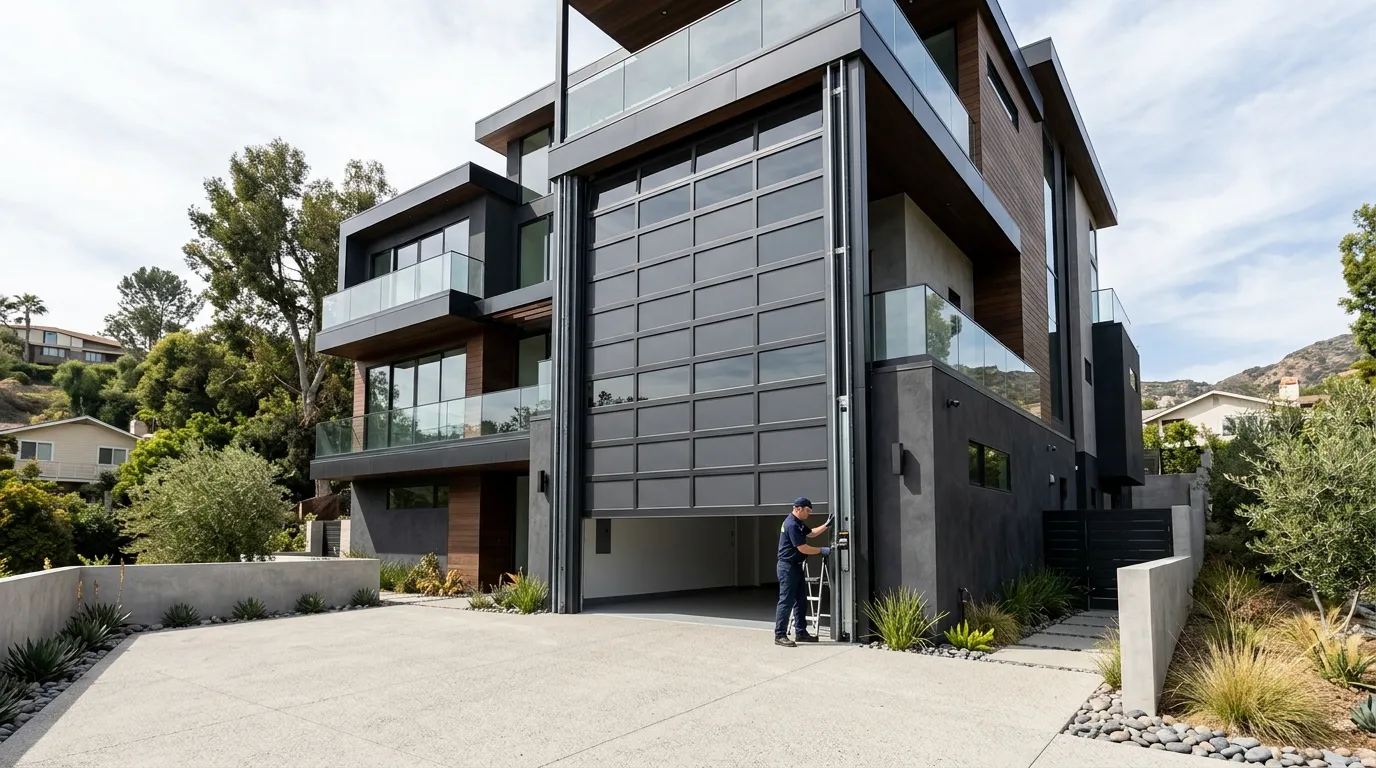
We come look at the door before we tell you what it needs. That means checking the spring size and wind, the track alignment, the cable condition, and the opener's age and drive type, because a repair plan for a 1980s torsion setup looks nothing like one for a 2000s opener with a failing logic board.
Once we know what's wrong, we walk you through the options - repair versus replace, OEM part versus a compatible substitute if the original isn't stocked anymore - and you decide before any work starts. We don't start cutting a cable or pulling a spring until you've said go.
Some jobs are quick: a broken spring, a realigned track, a sensor that's out of position. Others take longer, especially on older doors where a part has to be matched rather than swapped off a shelf. We'll tell you upfront which kind of job you're looking at, not after we've already got the door apart.
Who Does the Work
The person who shows up at your door is the one doing the repair - not a subcontractor pulled off a lead list. We work on the doors and openers that are actually common in this area: sectional steel doors on torsion springs, the chain and belt-drive openers that came standard through the 80s, 90s, and 2000s, and the heavier insulated doors that show up in newer construction toward the edges of the service area.
We're not going to claim a certification or a headcount we can't back up here, so we won't. What we'll say plainly: we look at the actual hardware on your house, tell you what's wrong with it, and fix that - not a generic version of the problem.
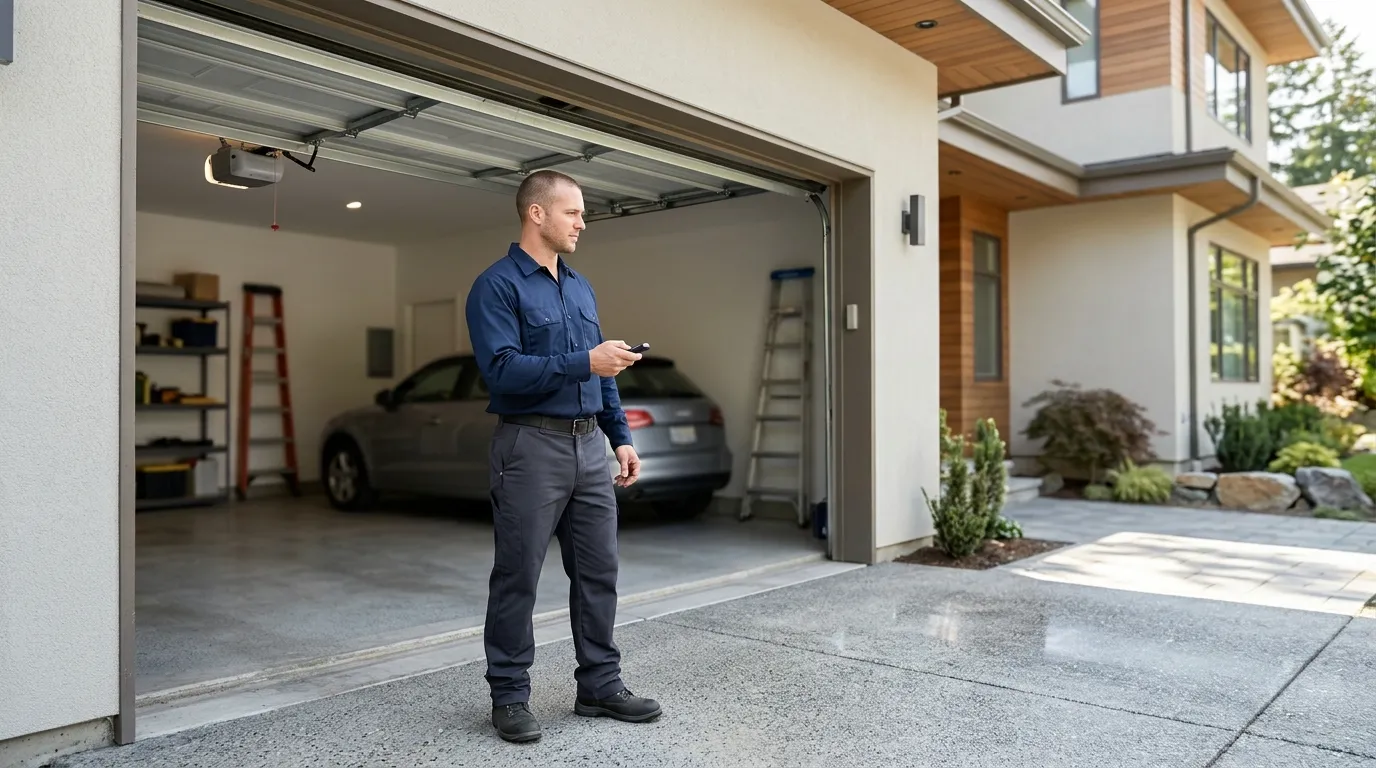
What We Fix Most Here
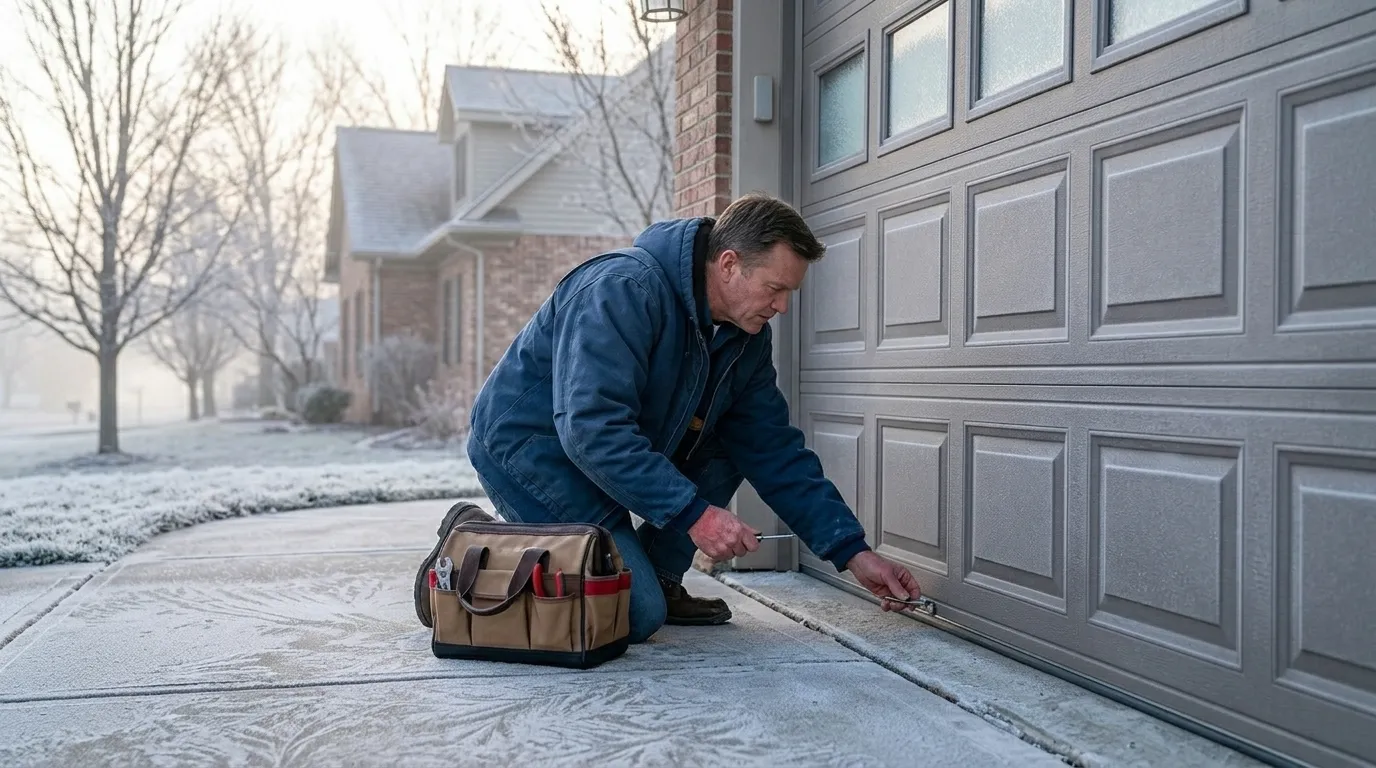
Tampa sits in a mild temperate band, which is easier on garage door hardware than a lot of the country - no hard freeze-thaw cycle snapping cables or seizing rollers overnight. What we see instead is slower wear: springs that have simply cycled out their lifespan on houses built in the 70s, 80s, and 90s, tracks that have drifted out of alignment over decades of use, and openers old enough that the logic board or the drive gear has finally quit.
On the older end of the housing stock - the stuff going back toward 1968 through the 80s - we're also fixing hardware that's been repaired once or twice already, which means matching whatever's already been swapped in rather than starting from a clean factory spec. On newer builds toward the 2000s and 2010s, the calls run more toward opener electronics and sensor alignment than mechanical failure.
We don't do new construction installs as a primary business - if that's what you need, say so up front and we'll tell you honestly whether it's a fit.
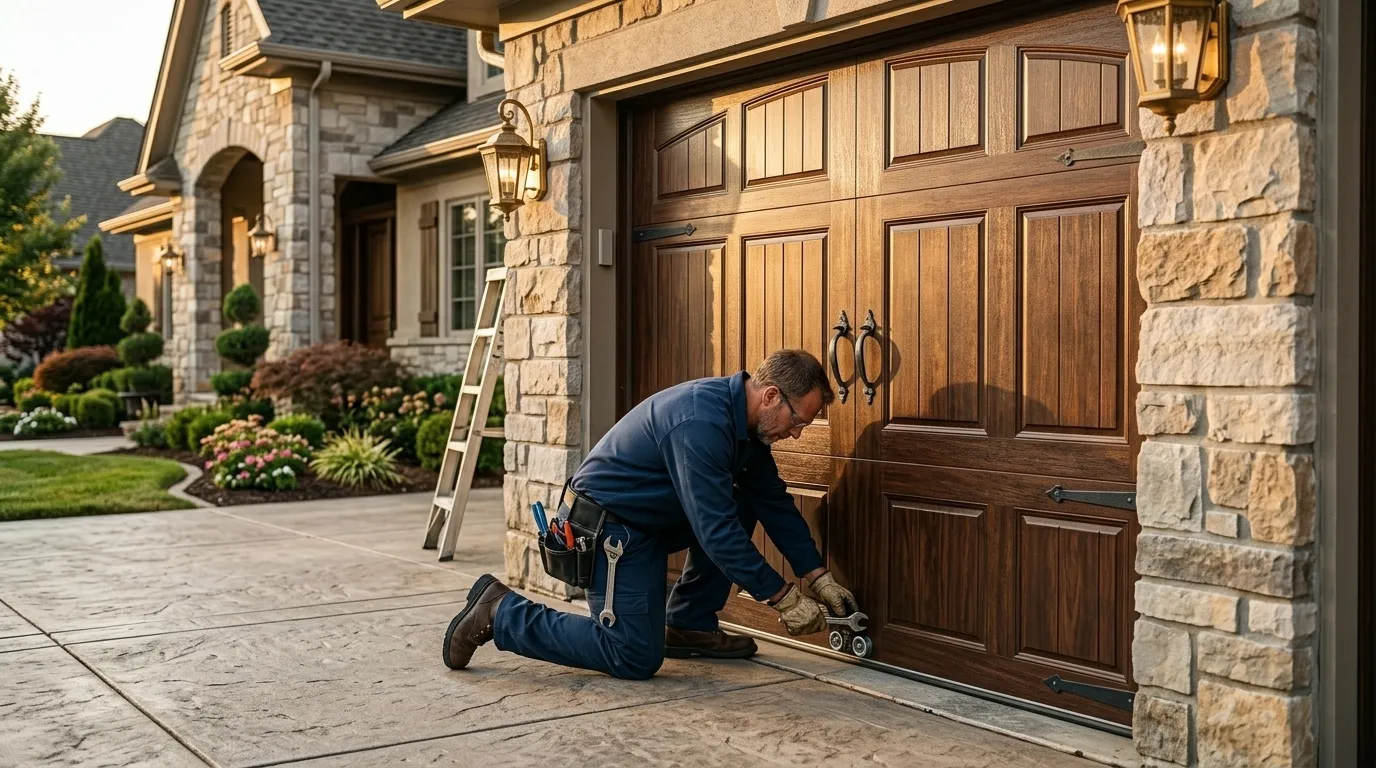
How We Can Help
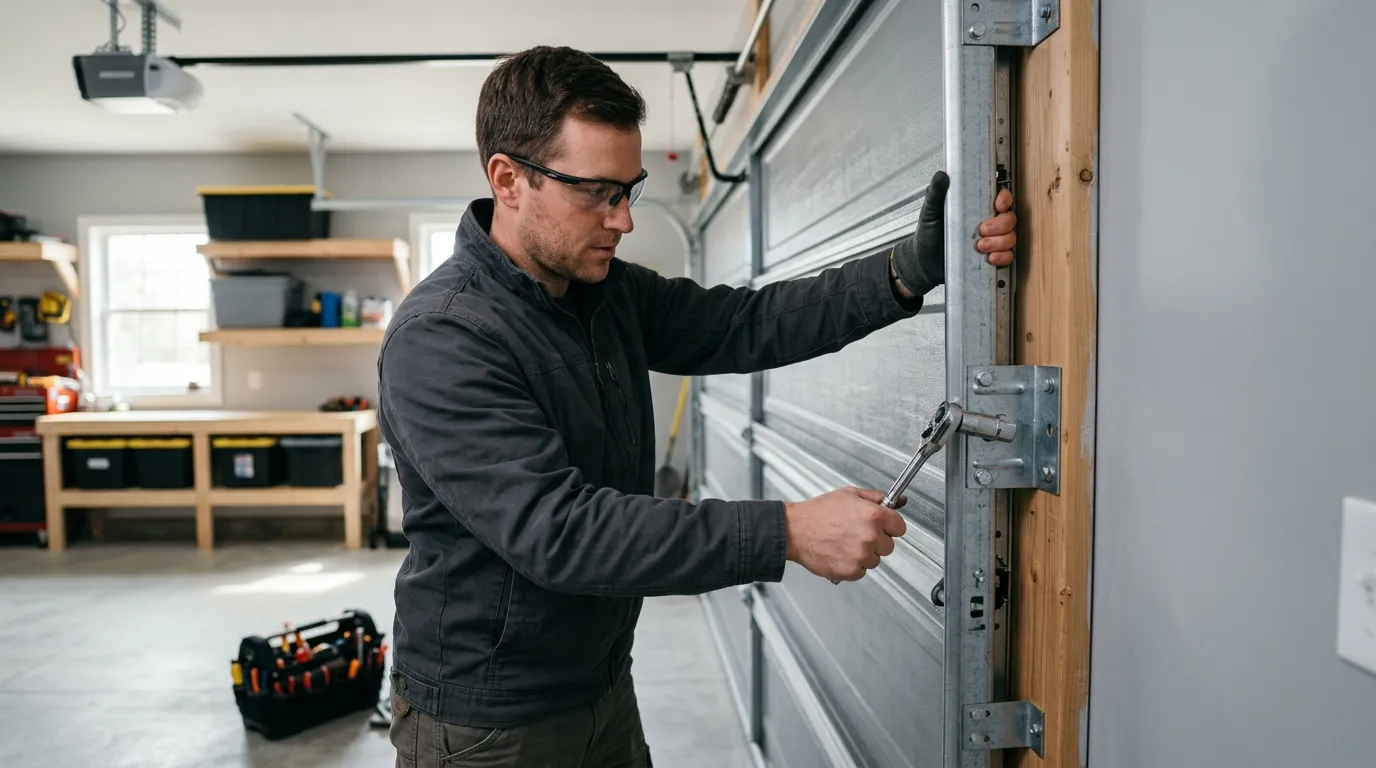
Garage Door Service
Tune-ups, lubrication, and safety checks that catch a small problem before it becomes a service call.
Learn more →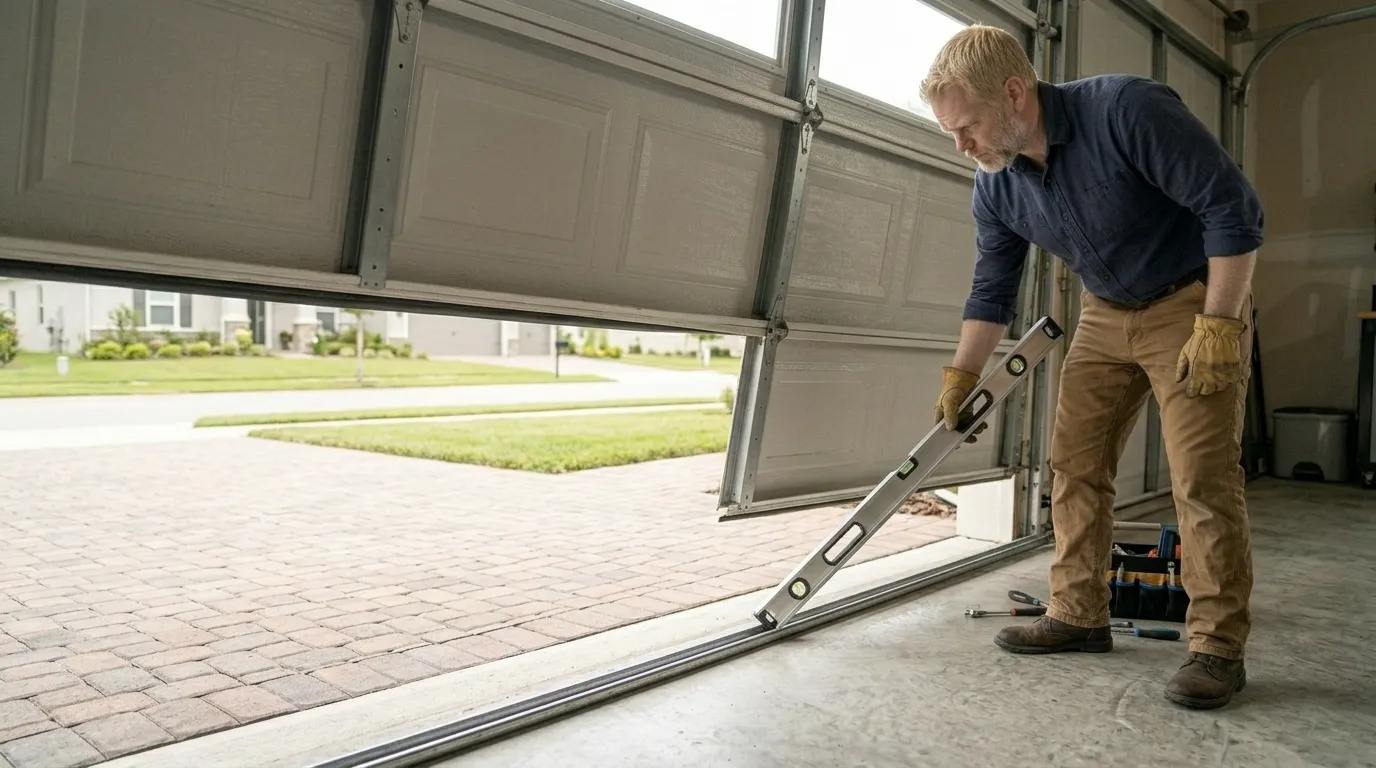
Garage Door Spring Repair
Broken torsion and extension springs replaced and the door rebalanced in the same visit.
Learn more →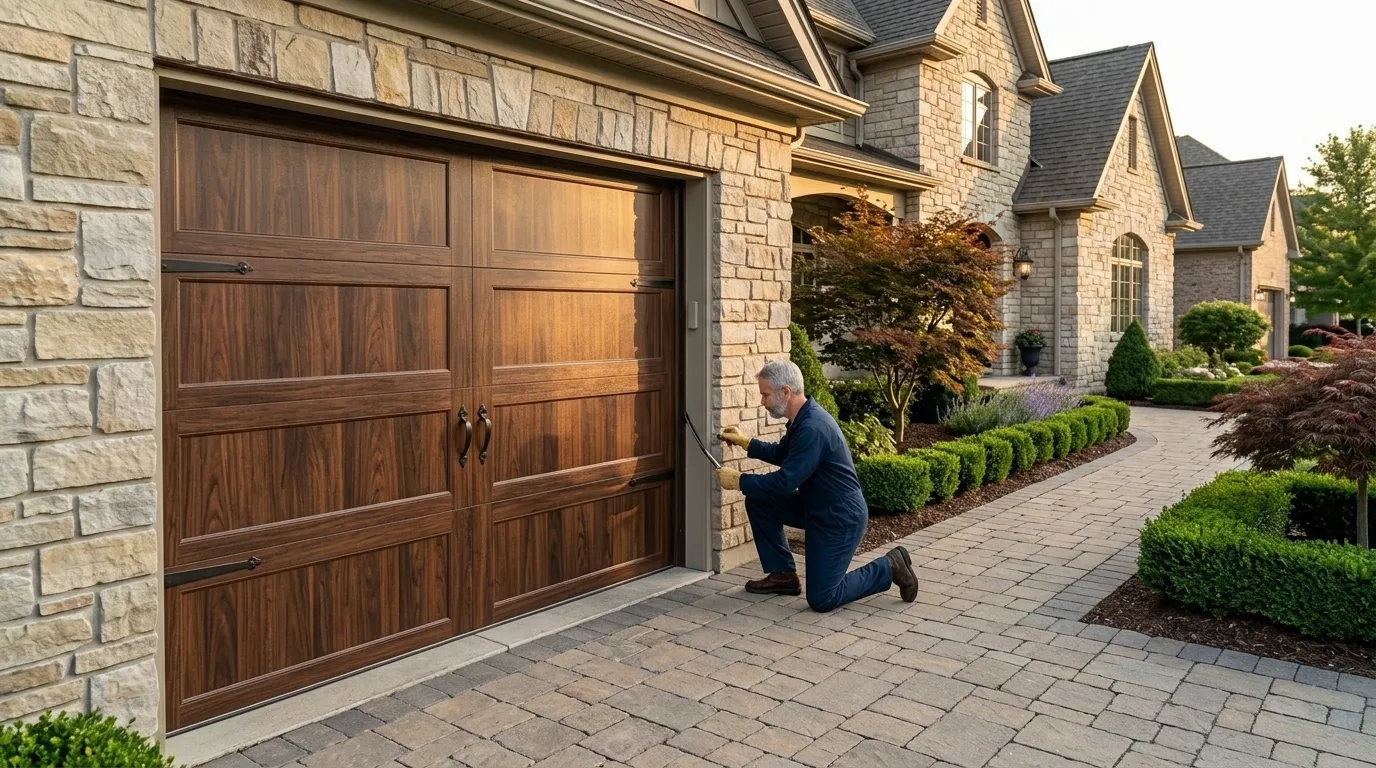
Garage Door Repair
Springs, cables, tracks, rollers, and openers fixed by a tech who explains the problem before touching anything.
Learn more →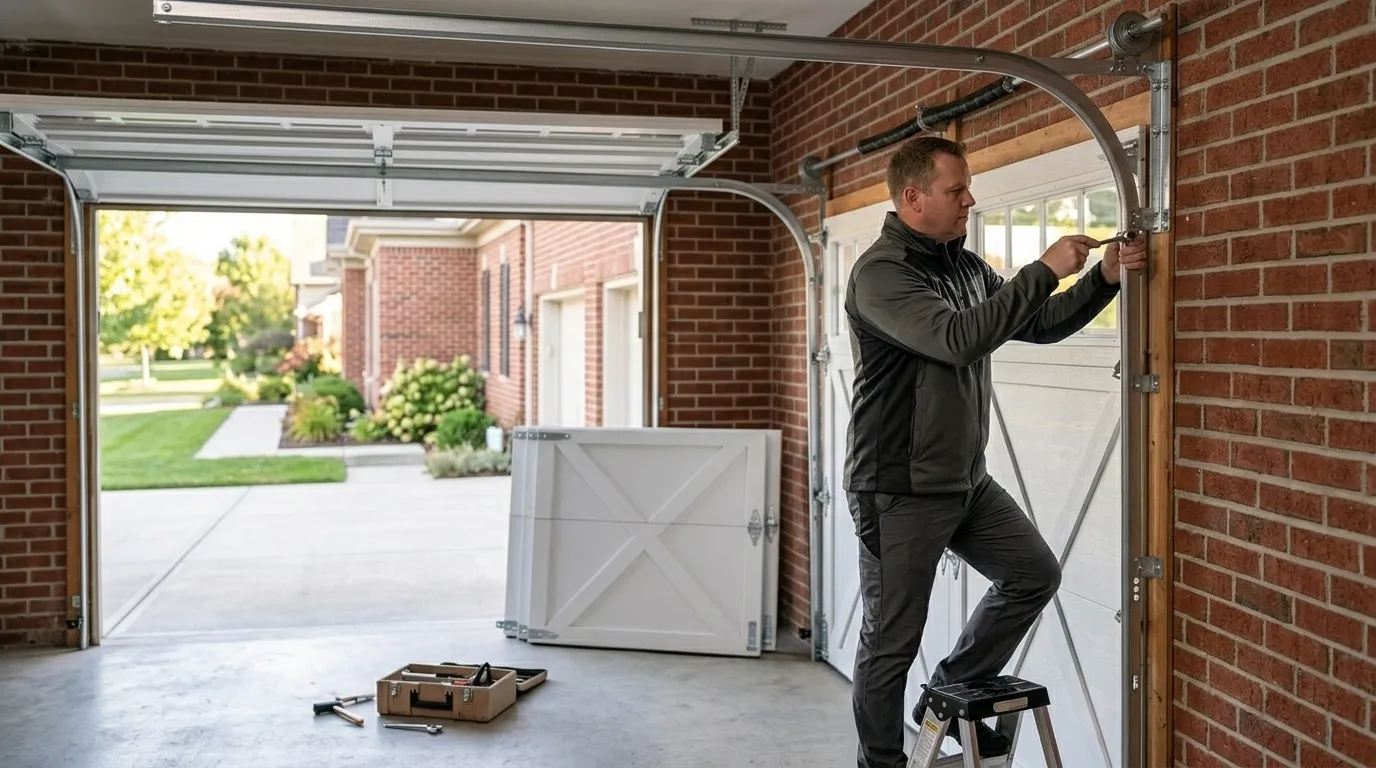
Emergency Garage Door Repair
Emergency Garage Door Repair handled by trained, insured local technicians with upfront pricing.
Learn more →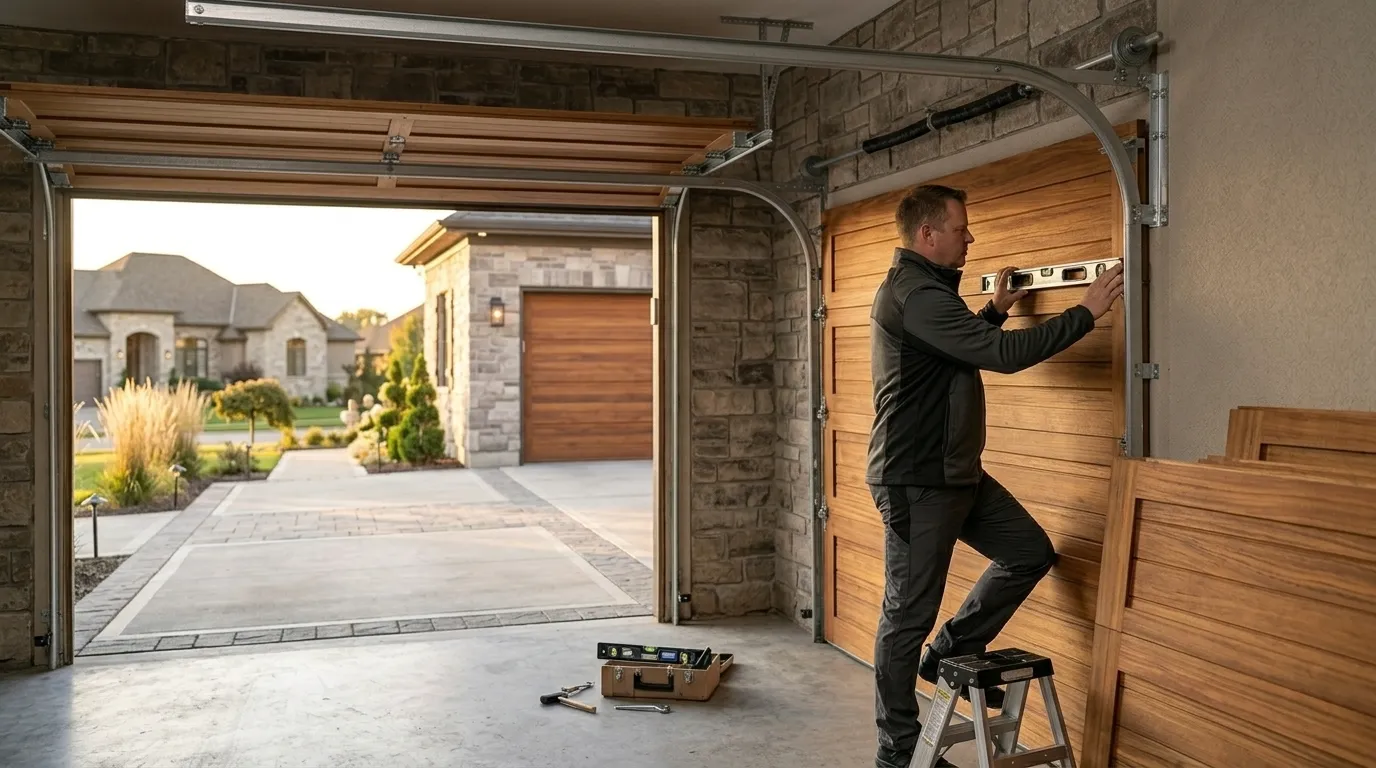
Garage Door Installation
New sectional doors sized and installed for the housing stock actually built in this area.
Learn more →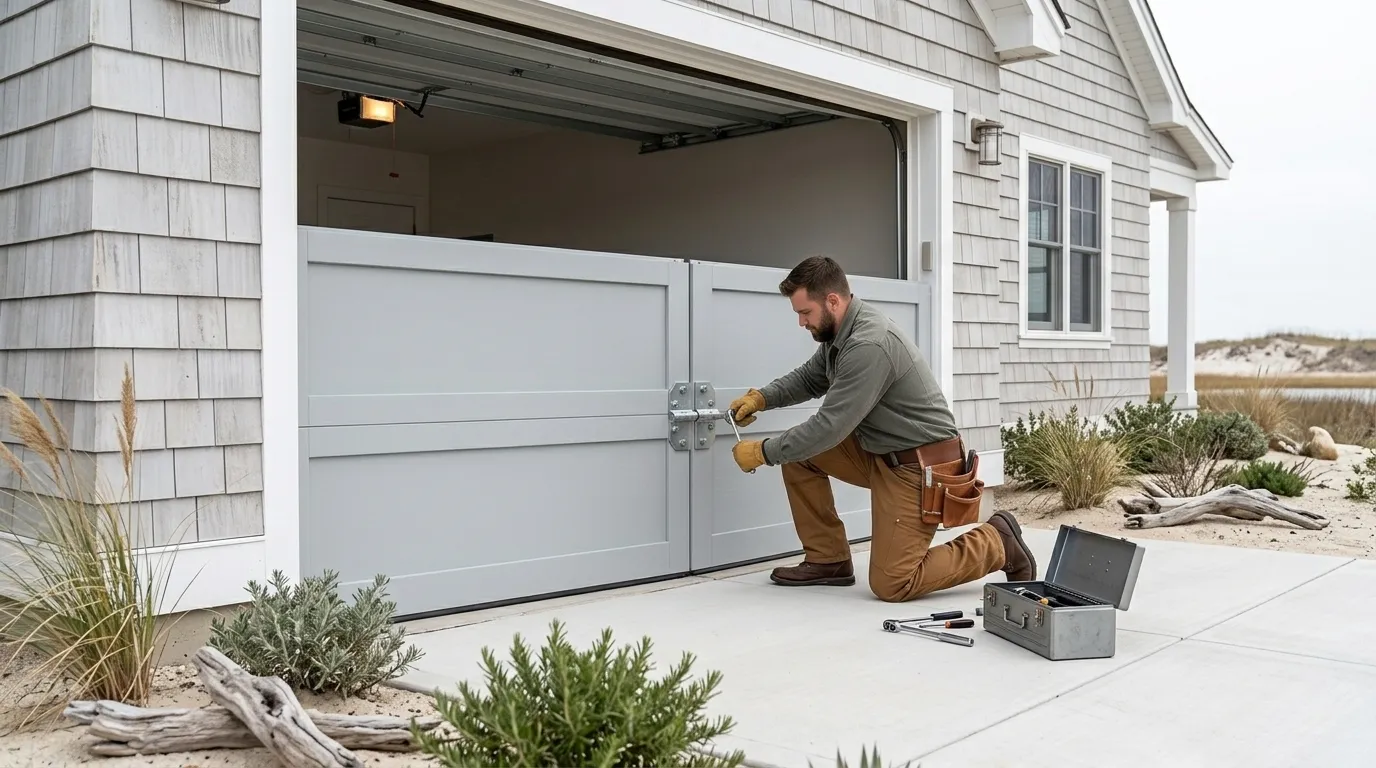
Garage Door Maintenance
Garage Door Maintenance handled by trained, insured local technicians with upfront pricing.
Learn more →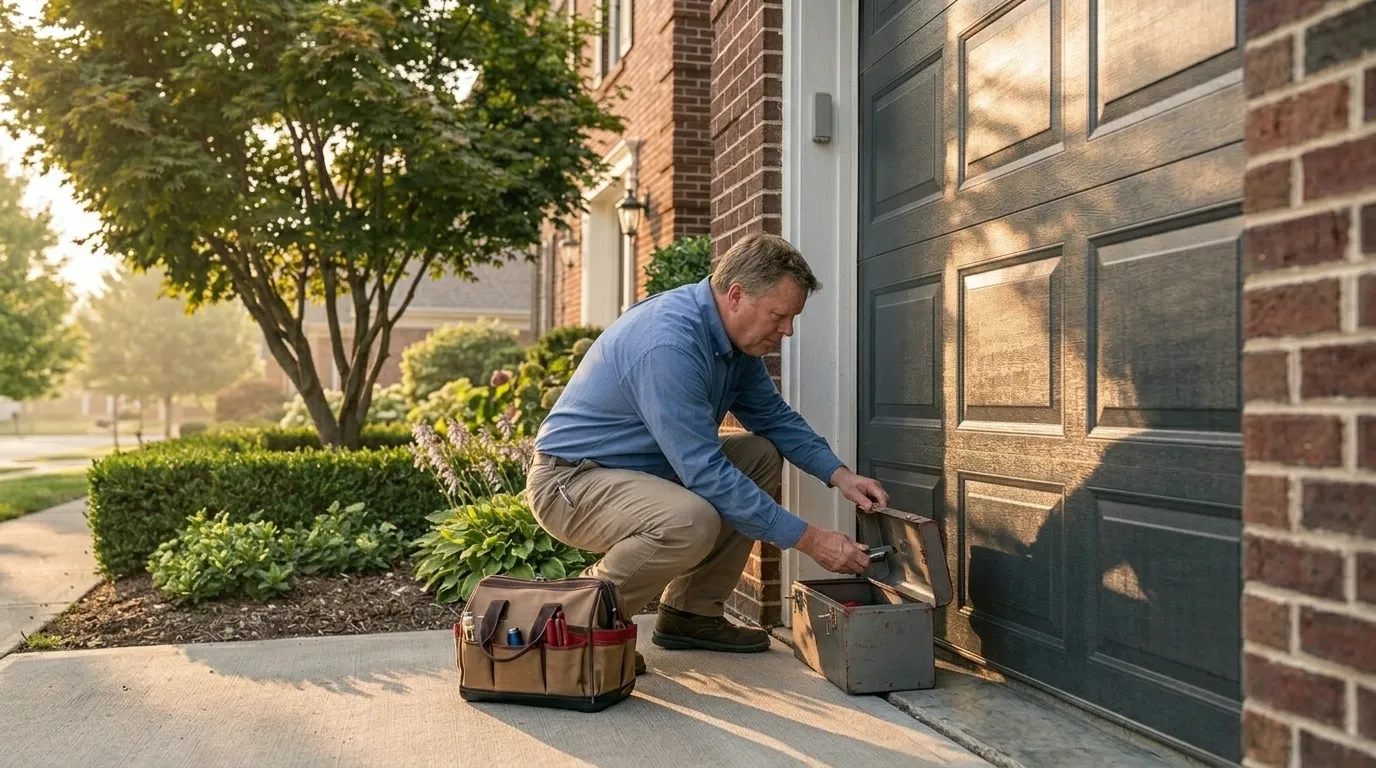
Garage Door Cable Repair
Frayed or snapped lift cables replaced and tensioned so the door lifts level and safe.
Learn more →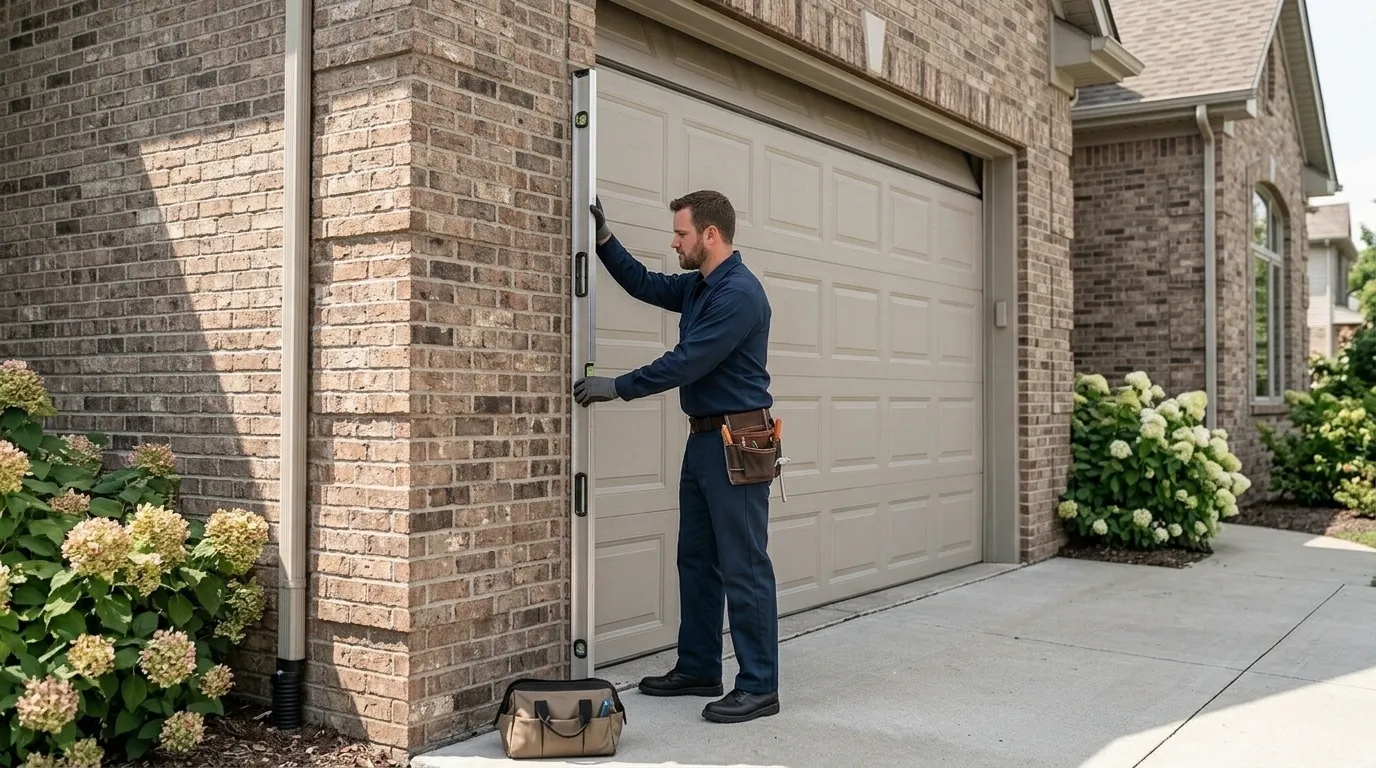
Garage Door Roller Replacement
Worn, noisy rollers swapped for smooth nylon ones so the door runs quiet.
Learn more →Why Tampa Calls Us
Local facts, not a franchise script.
What Happens When You Call
-
1
Call or Request a Quote
Tell us what the door is doing and roughly how old the house is - that alone points us toward the likely part before a truck leaves.
-
2
On-Site Diagnosis
A tech checks the spring, cables, tracks, and opener in person and tells you plainly what is actually wrong.
-
3
Straight Price, No Surprises
You get a number before any work starts. It covers parts and labor, nothing added after the fact.
-
4
Fixed the Same Visit
Most repairs are done in one trip. If a part needs sourcing, we tell you that upfront instead of guessing.
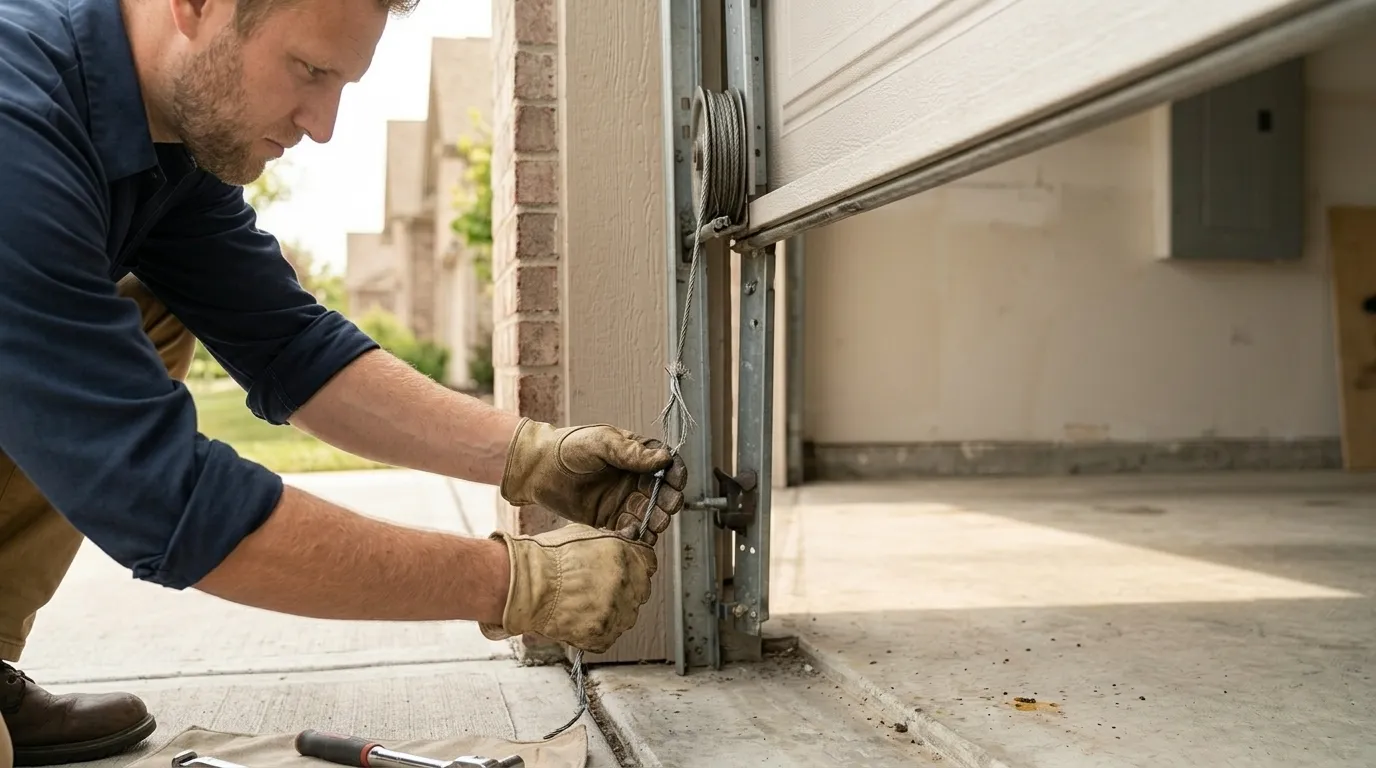
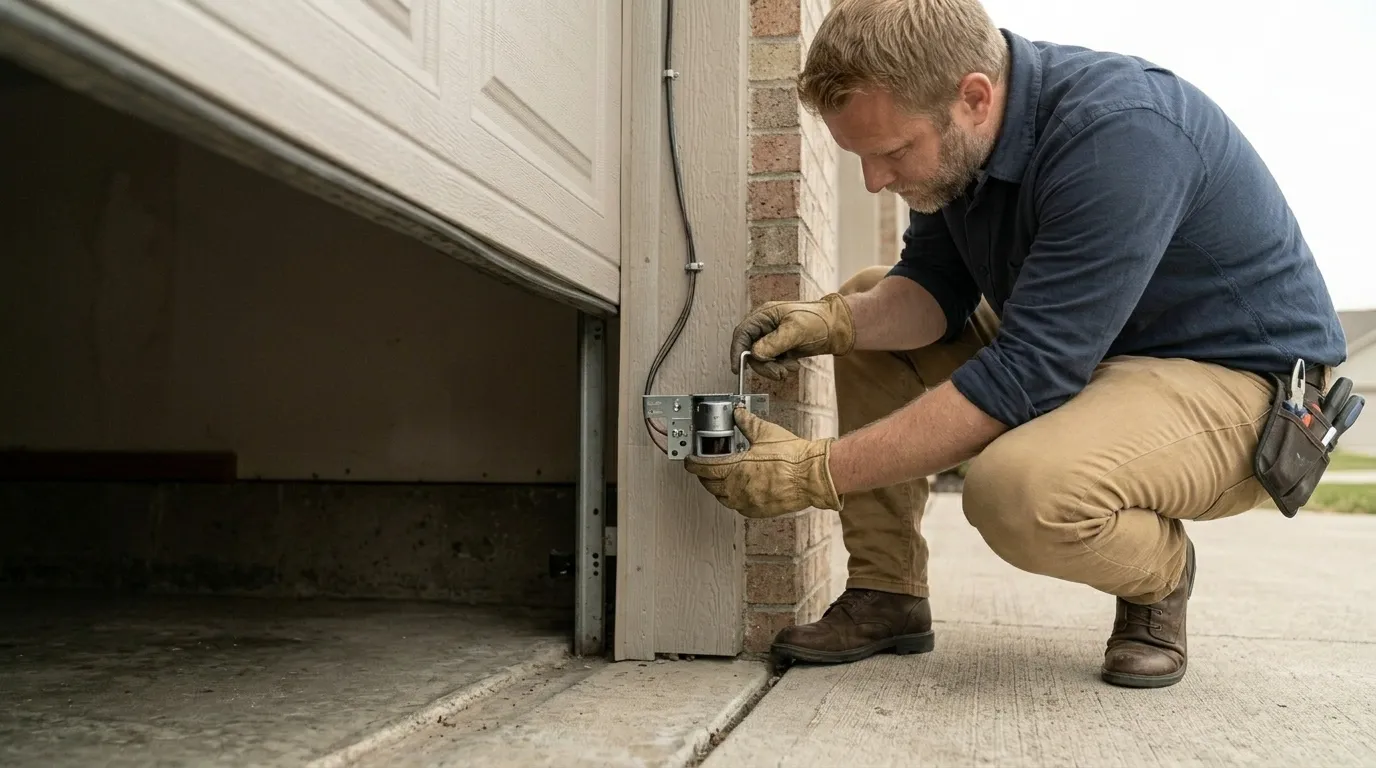
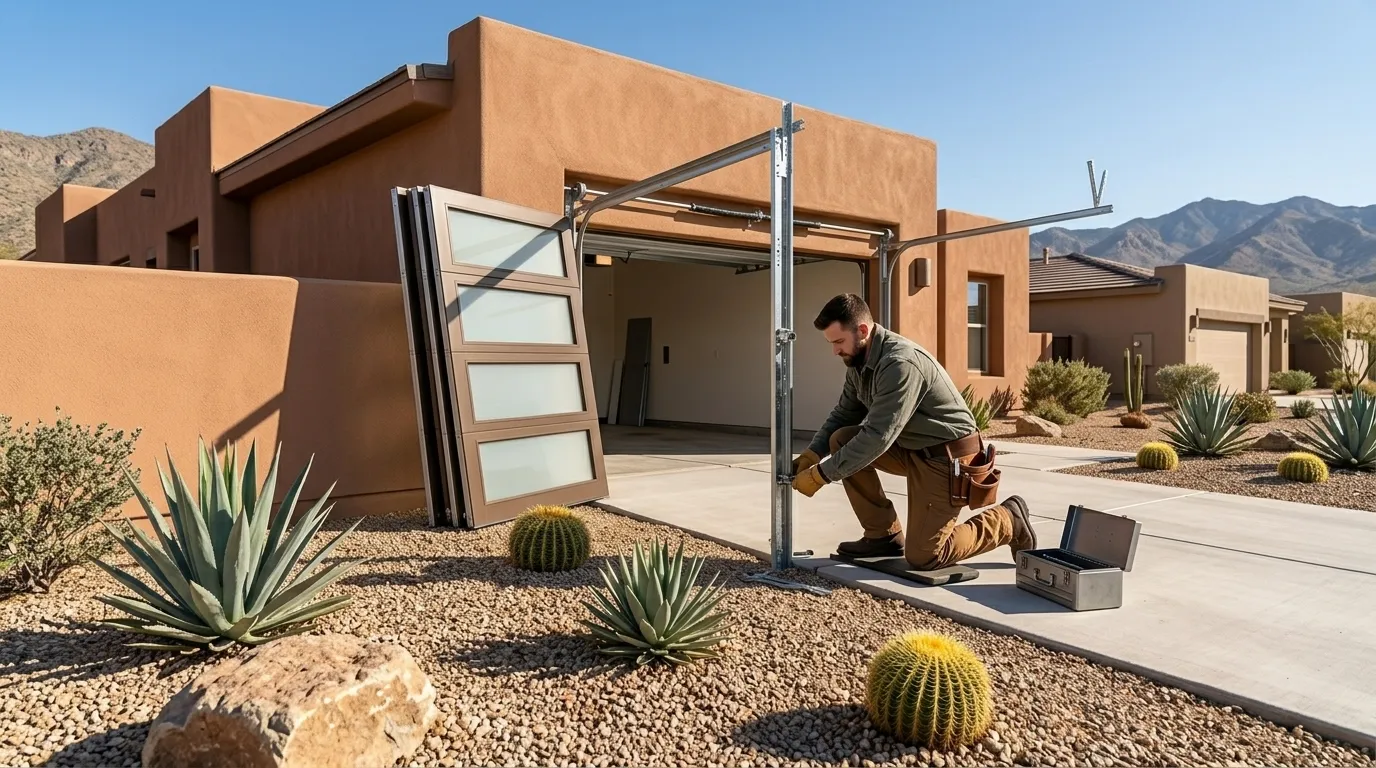
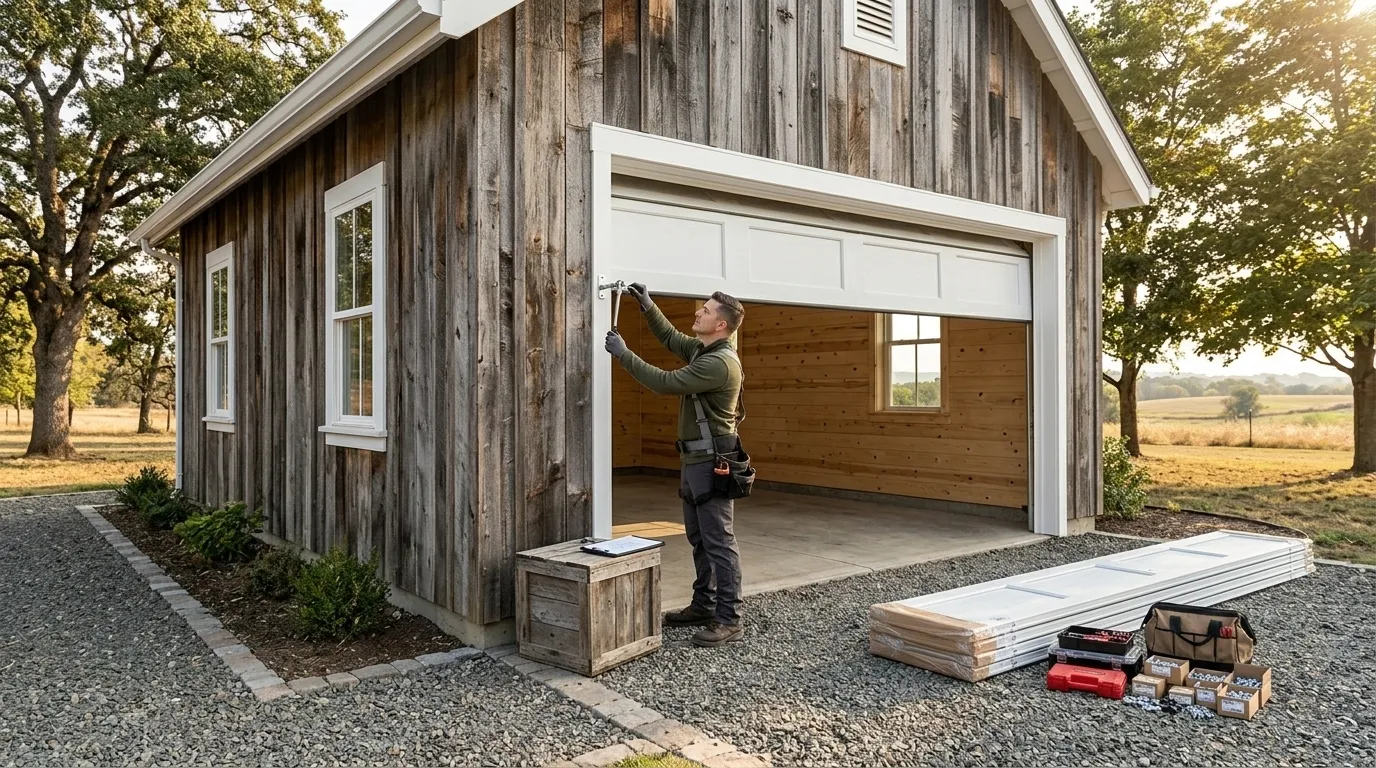
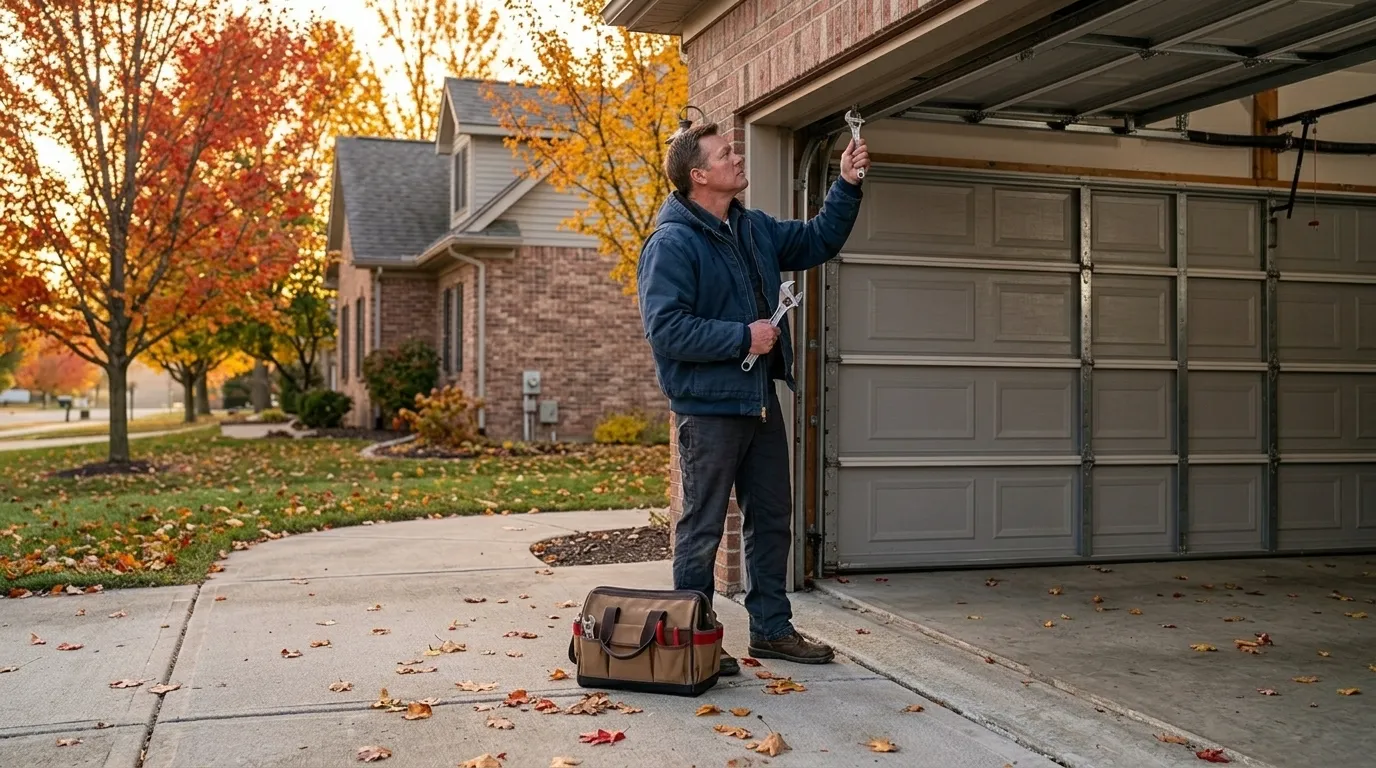
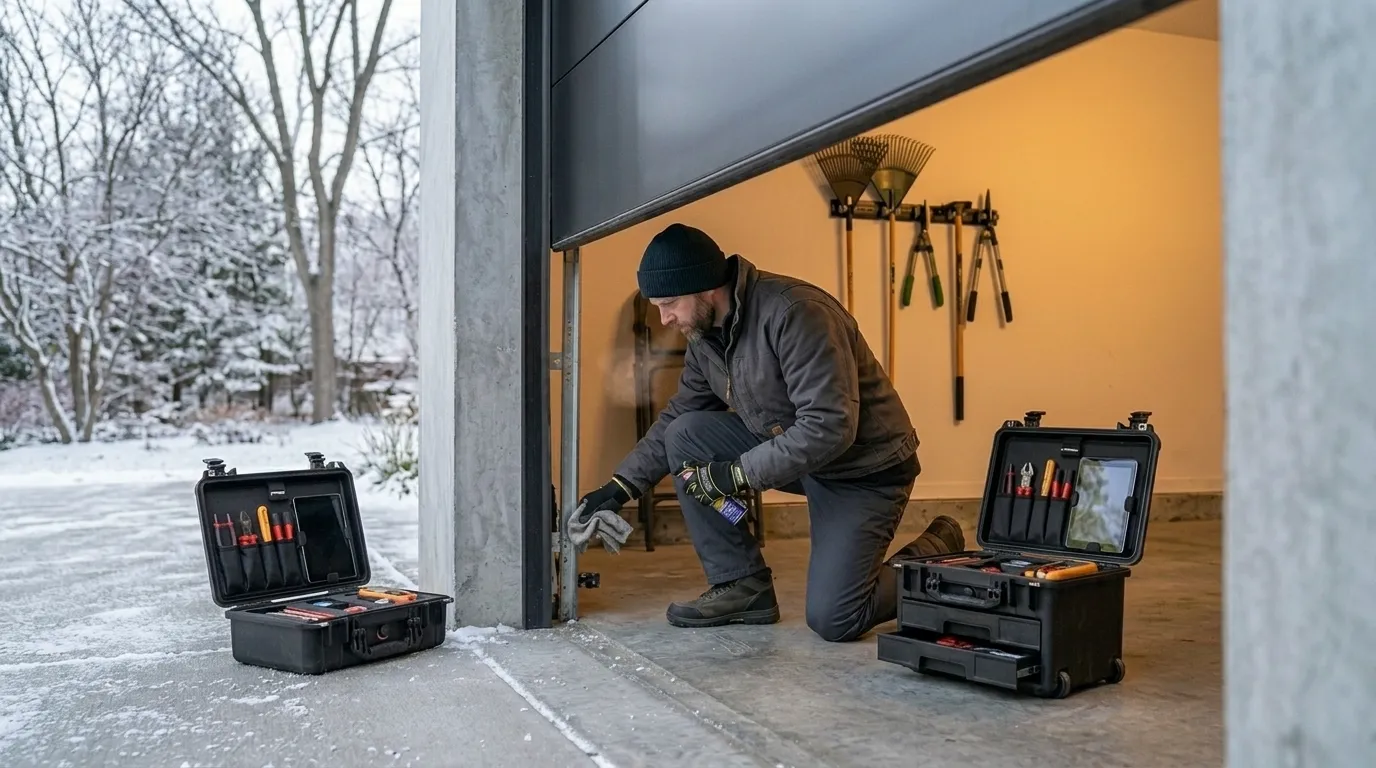
Recent Work Around Tampa
A look at the doors, springs, and openers our crew has been on lately.
Areas We Serve
Frequently Asked Questions
Do you give quotes over the phone?
Not a firm one. Spring size, opener type, and hardware age all change the number, and Tampa's housing runs from the late 1960s through the 2010s, so no two calls are quite the same. We look at the door first and quote from what we actually see.
Is my garage door hardware likely original?
Depends on when your house went up. Tampa's median build year is around 1990, and a lot of the metro clusters in that 1980s-90s window, so if your house falls there and nobody's touched the door, yes - original torsion hardware is common.
Does Tampa's climate affect garage doors much?
Less than a lot of places. We're in a mild temperate band, so we don't see the freeze-related cable snaps or seized rollers that colder regions get. Wear here tends to be gradual - springs cycling out, tracks drifting, openers aging - rather than sudden weather damage.
Do you work on doors outside the immediate Tampa area?
We cover the surrounding communities as well, including areas like Egypt Tower and Palm River-Clair Mel a few miles out, and farther points like Valrico, Temple Terrace, and Westchase. Ask when you call and we'll tell you straight whether your address is in range.
Ready to Get Your Door Fixed Right?
Call now or request a quote online, and we will tell you straight what your door needs.