
Roller Replacement in Palm River Clair Mel
Garage Door Roller Replacement, Palm River-Clair Mel
Roller replacement for Palm River-Clair Mel's roughly 9,765 households, most built around 1991, serviced from Tampa 7 miles away.
What Happens When You Call
-
1
Call or Request a Quote
Tell us what the door is doing and roughly how old the house is - that alone points us toward the likely part before a truck leaves.
-
2
On-Site Diagnosis
A tech checks the spring, cables, tracks, and opener in person and tells you plainly what is actually wrong.
-
3
Straight Price, No Surprises
You get a number before any work starts. It covers parts and labor, nothing added after the fact.
-
4
Fixed the Same Visit
Most repairs are done in one trip. If a part needs sourcing, we tell you that upfront instead of guessing.
The Complications
Palm River-Clair Mel runs about 9,765 households, which is a small enough pocket that the roller failures we see aren't scattered across fifty different door generations - they cluster. Most of the housing stock here went up around 1991, sitting inside the broader 1968-2011 build window we work across the service area. That means a lot of doors on steel tracks that are now more than thirty years old, with the original nylon or steel rollers still in the stems, worn oval instead of round.
At this age, the roller isn't usually the only tired part. The track brackets holding it have flexed thousands of times, the roller stem has worn a groove into the bracket, and the door often drags on one side before it ever jumps the track. We don't treat a roller call here as a five-minute swap-and-go - we check the track alignment and the stem wear at the same time, because on a door this age, ignoring one to fix the other just means a second call in a few months.
How It Shows Up
On a door built to early-90s hardware standards, roller wear shows up as noise first - a grinding or clicking every time the door passes the same spot on the track, usually near the bottom bracket where the roller carries the most weight on the way up. Some owners hear it and assume the opener is failing. It's rarely the opener.
The second sign is a door that hesitates or jerks at one point in its travel instead of moving smoothly the whole way. That's a roller that's flattened on one side and is riding rough instead of rolling. Left alone, it wears an oval flat spot into the track itself, and at that point you're not replacing a $10 roller anymore - you're replacing a section of track.
Because Palm River-Clair Mel's median household income sits around $62,976, we see plenty of owners who'd rather catch this at the roller stage than wait for it to become a track job. That's the right instinct.
A roller that's starting to grind is cheap to fix. A roller that's been ignored for a year is not.
What the Repair Takes
A standard roller replacement is a full set swap - all ten rollers on a two-car door, not just the noisy one, because if one's worn the rest are close behind on a door from this era. We pull the door, release spring tension, and work the rollers out of the track one bracket at a time rather than yanking the whole track apart.
On doors from the early-90s stock common here, we're also checking hinge pin wear while the rollers are out, since a worn hinge lets the roller sit at an angle in the track and re-wears the new roller faster than it should. If the track brackets themselves are bent or the track has a flat-worn section, that gets addressed in the same visit rather than left for a callback.
We stock nylon rollers for the sizes we see most often in this area's housing stock. Anything outside that - an older steel-roller setup on a door that's been retrofitted oddly, or a nonstandard stem length - sometimes means we're ordering the part rather than carrying it on the truck, which can add a day or two.
Doing It Yourself
Rollers are one of the more DIY-friendly garage door parts, and we won't pretend otherwise. If the door is disconnected from the opener, the spring tension is released properly, and you're only swapping a roller that's not load-bearing at the moment (not the bottom bracket rollers under full door weight), it's a manageable job with the right tools.
Where it goes wrong: pulling a roller out of a track section while the door is still under spring tension, or while the door is resting on rollers you're trying to replace. On a door this age, brackets can also be more brittle than they look, and a bracket that snaps while you're forcing a roller out turns a $15 part into a track repair.
If you're comfortable with a socket set and you've watched someone do it once, go ahead. If the door is heavy, wood-faced, or you're not sure which rollers are carrying weight right now, that's the point where a call costs less than a trip to the ER for a finger.
Why This Fails Locally
A door built around 1991 wasn't engineered with today's nylon roller tolerances in mind - it was built for the steel rollers common at the time, on track gauges that have drifted slightly over three decades of manufacturing changes. Swap in a generic roller without checking the stem length and track width, and it'll bind within a season.
MILD temperate conditions here don't stress rubber or nylon rollers the way freeze-thaw climates do, so when we see early failure on a door this age, it's almost always mechanical wear from three decades of cycles, not weather damage to the roller material itself. That's actually good news - it means the fix is usually just the roller and bracket, not a track replacement, if it's caught before the flat-spot stage.
How Long You Are Without the Door
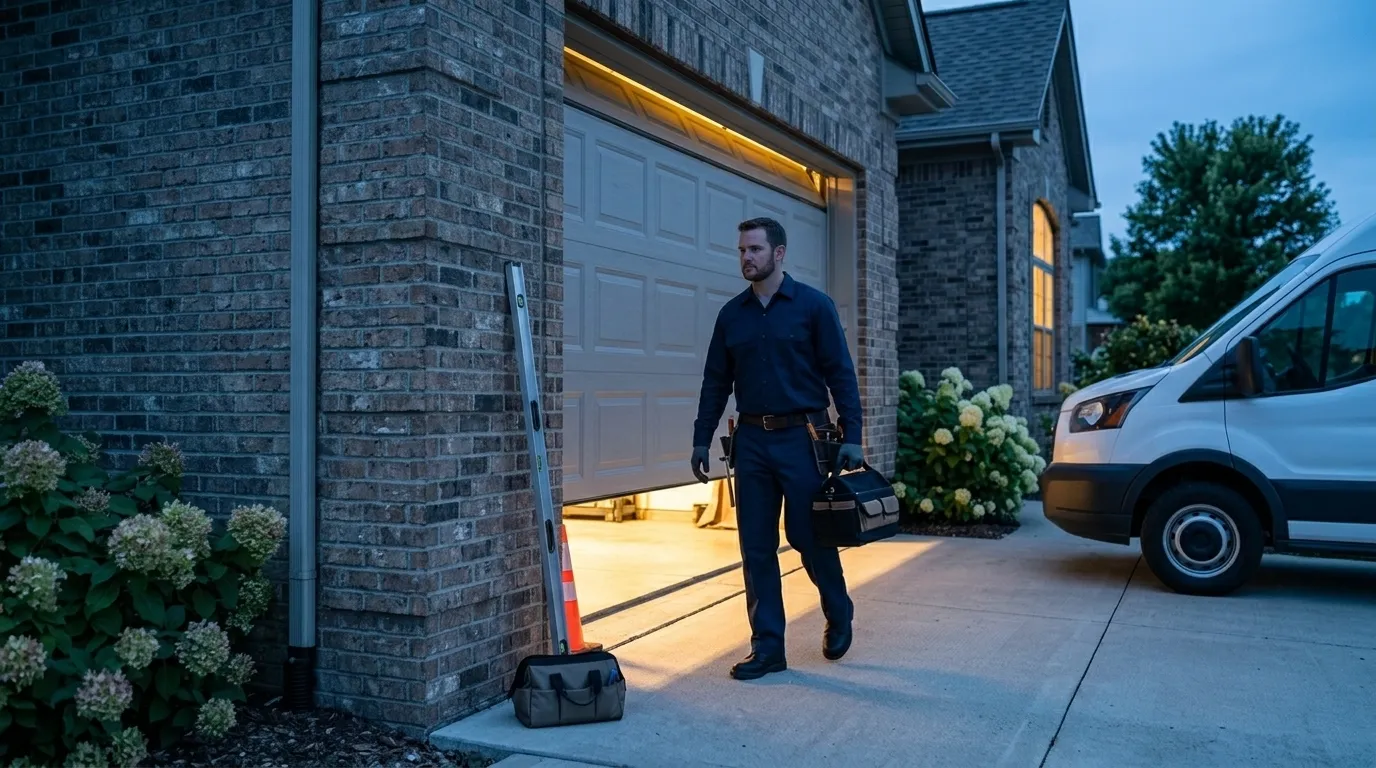
A roller replacement, once we're on site, is typically a same-visit job - the door goes back into service before we leave. The variable is getting a truck out from Tampa, which is roughly 7 miles from Palm River-Clair Mel, so the wait is about scheduling a visit, not about parts sitting on a shelf somewhere, unless your door needs a nonstandard roller we don't carry on the truck. In that case, plan on the door being out of service until the part arrives, which can run a day or two.
Why Palm River Clair Mel Calls Us
Other Garage Door Services in Palm River Clair Mel
Talk to a Palm River Clair Mel Technician First
Describe what the door is doing and get a straight answer on what it likely needs.
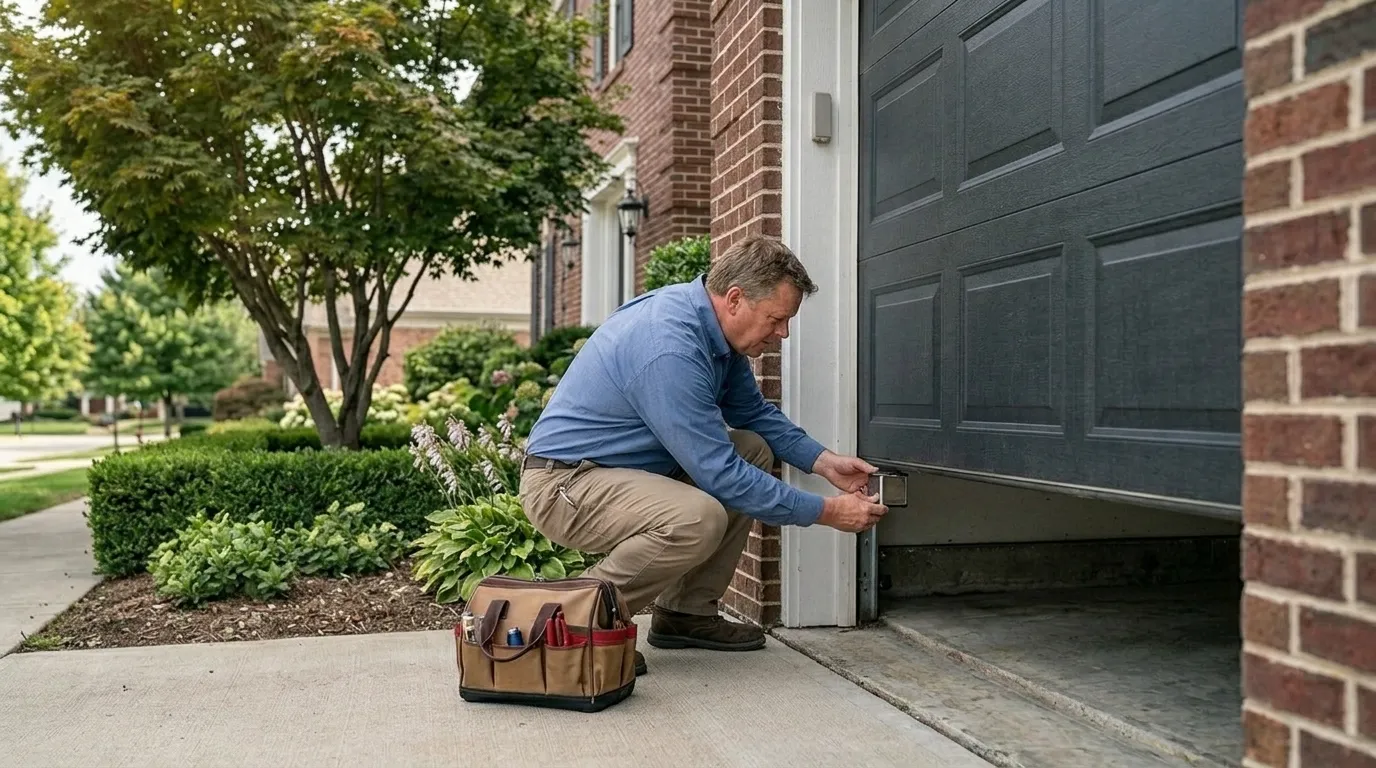
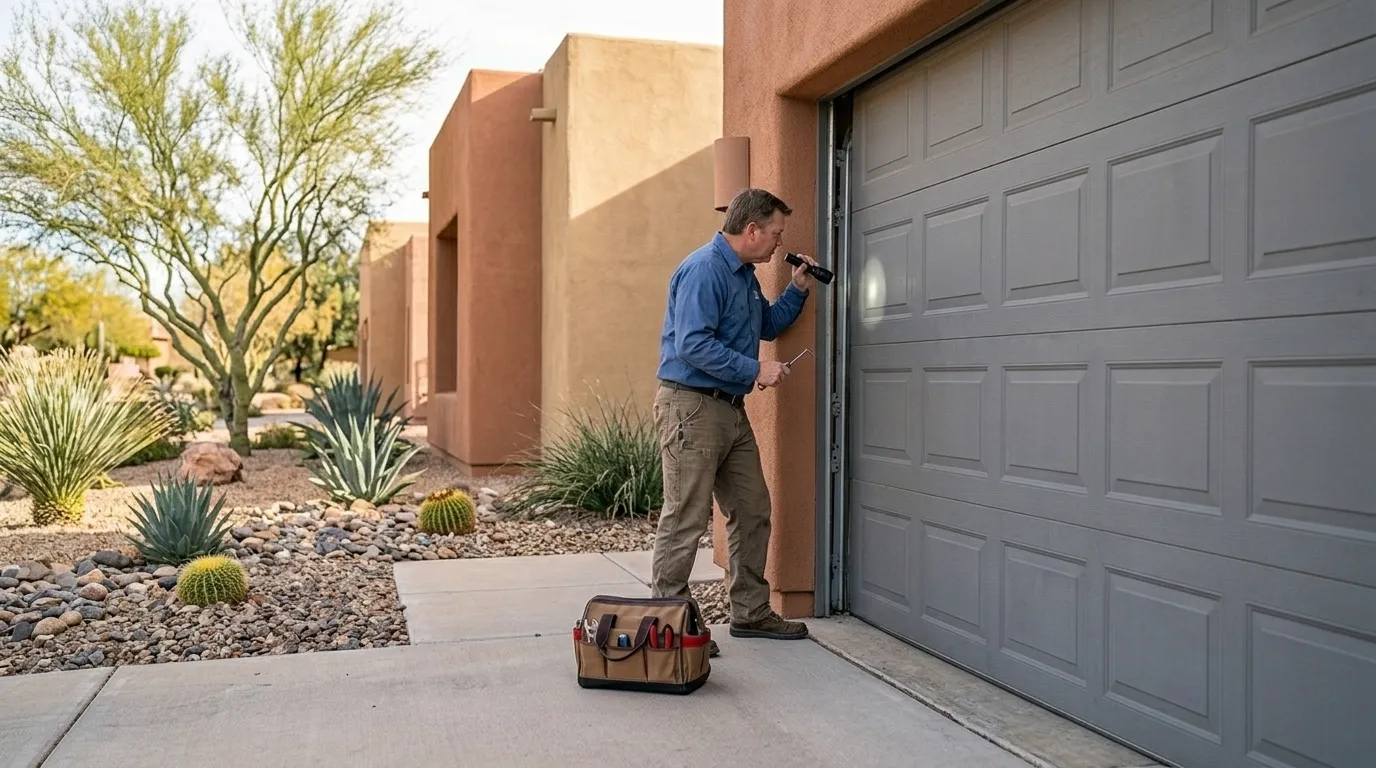
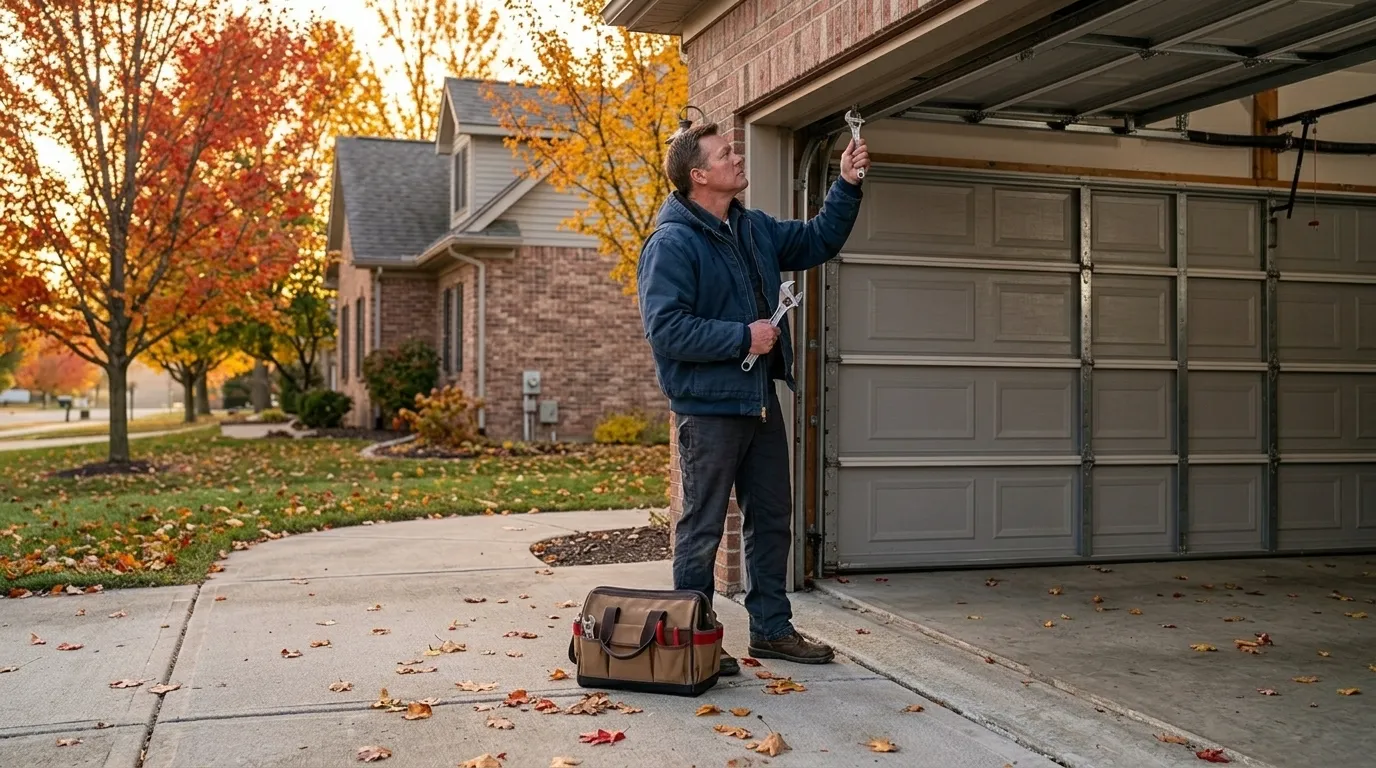
Recent Work in Palm River Clair Mel
A look at jobs our crew has been on nearby.
Frequently Asked Questions
Why do my garage door rollers keep wearing out?
On a door built around 1991, which describes a lot of homes in this area, the track and brackets have three decades of wear built in. A new roller in an old, slightly warped track wears faster than it should. Replacing the roller alone sometimes just delays the same failure a few months if the track isn't checked too.
Can I replace just the noisy roller instead of the whole set?
You can, but on a door from the early-90s stock common here, if one roller is worn the others are usually close behind from the same years of use. We replace the full set on most jobs so you're not paying for a second visit in a few months for the roller next to it.
Is roller replacement a DIY job?
For rollers not currently bearing the door's weight, yes, with the door disconnected and spring tension released. Bottom bracket rollers under load, or any job on a door you're unsure about, is where a mistake gets expensive fast.
How fast can someone get to Palm River-Clair Mel?
We run this out of Tampa, about 7 miles away, so timing depends on the day's schedule rather than a local branch. We don't quote a fixed response time here - ask when you call and we'll tell you what the day looks like.
Need Roller Replacement in Palm River Clair Mel?
Call now for straight answers on cost and timing.