
Service
Garage Door Maintenance for Tampa's Aging Hardware
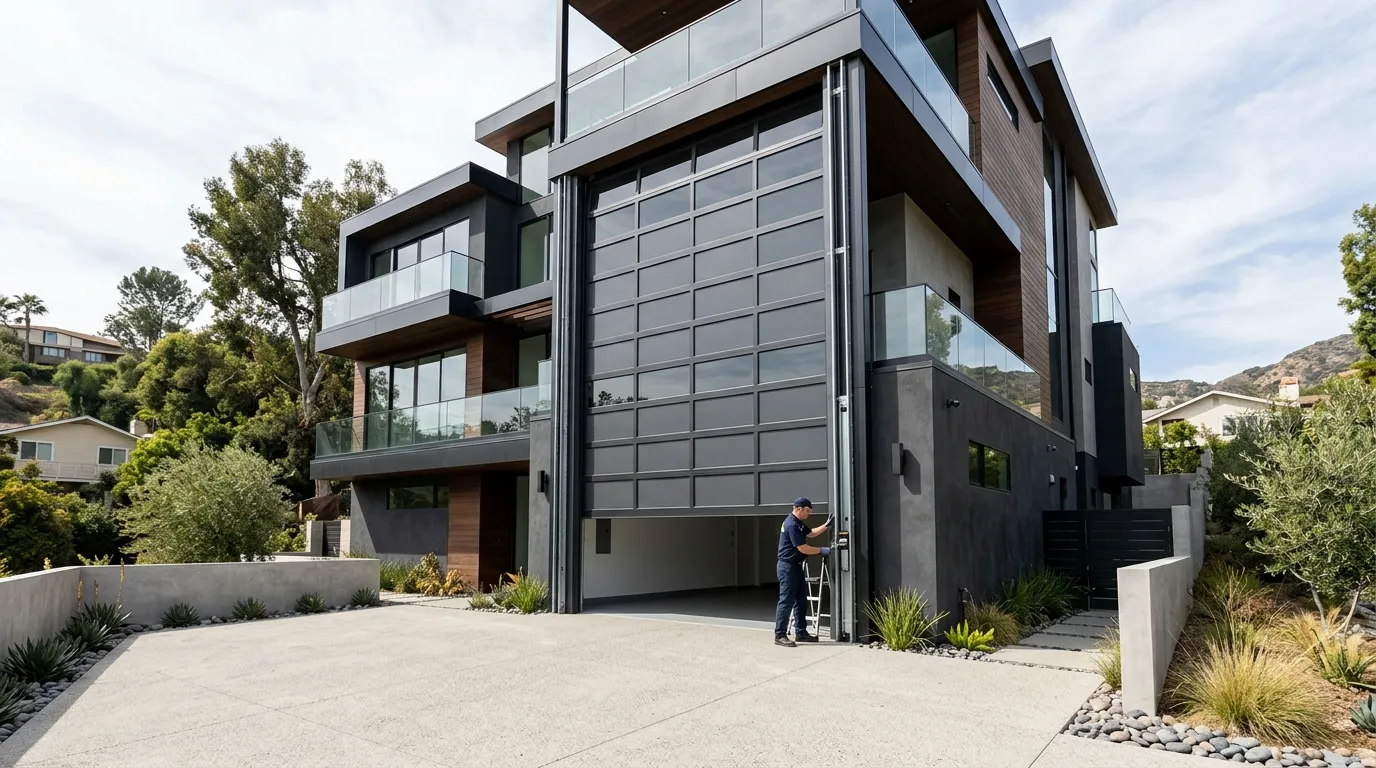
Garage door maintenance for Tampa homes built 1968-2011, where original hardware often outlasts its rated cycles in a mild climate that hides wear and tear.
What Happens When You Call
-
1
Call or Request a Quote
Tell us what the door is doing and roughly how old the house is - that alone points us toward the likely part before a truck leaves.
-
2
On-Site Diagnosis
A tech checks the spring, cables, tracks, and opener in person and tells you plainly what is actually wrong.
-
3
Straight Price, No Surprises
You get a number before any work starts. It covers parts and labor, nothing added after the fact.
-
4
Fixed the Same Visit
Most repairs are done in one trip. If a part needs sourcing, we tell you that upfront instead of guessing.
Why This Fails Locally
Most of the doors we get called out to service across the Tampa area went in somewhere between 1968 and 2011, with the median build year sitting around 1990. That puts the average door and opener at more than three decades old, and across the 32 named areas we cover - from Egypt Lake-Leto four miles out to Trinity eighteen miles north - the pattern repeats: 1980s and 90s construction, original torsion springs, original rollers, hardware nobody has touched since the house was framed.
The mild temperate climate here doesn't help the way you'd think. There's no hard freeze that forces a winter check, no season where the door gets pulled apart and re-greased out of necessity the way it might in a colder market.
So the grease dries out slowly, the rollers wear slowly, and nothing forces the issue until a spring lets go or the opener starts straining on every cycle. With 136,621 owner-occupied houses across the service area, a large share of them are running on hardware that's well past its rated cycle count and nobody's looked at it in years.
This isn't a Tampa-specific defect. It's Tampa-specific neglect, built on a housing stock old enough to need attention and a climate mild enough that nothing forces the attention.
Doing It Yourself
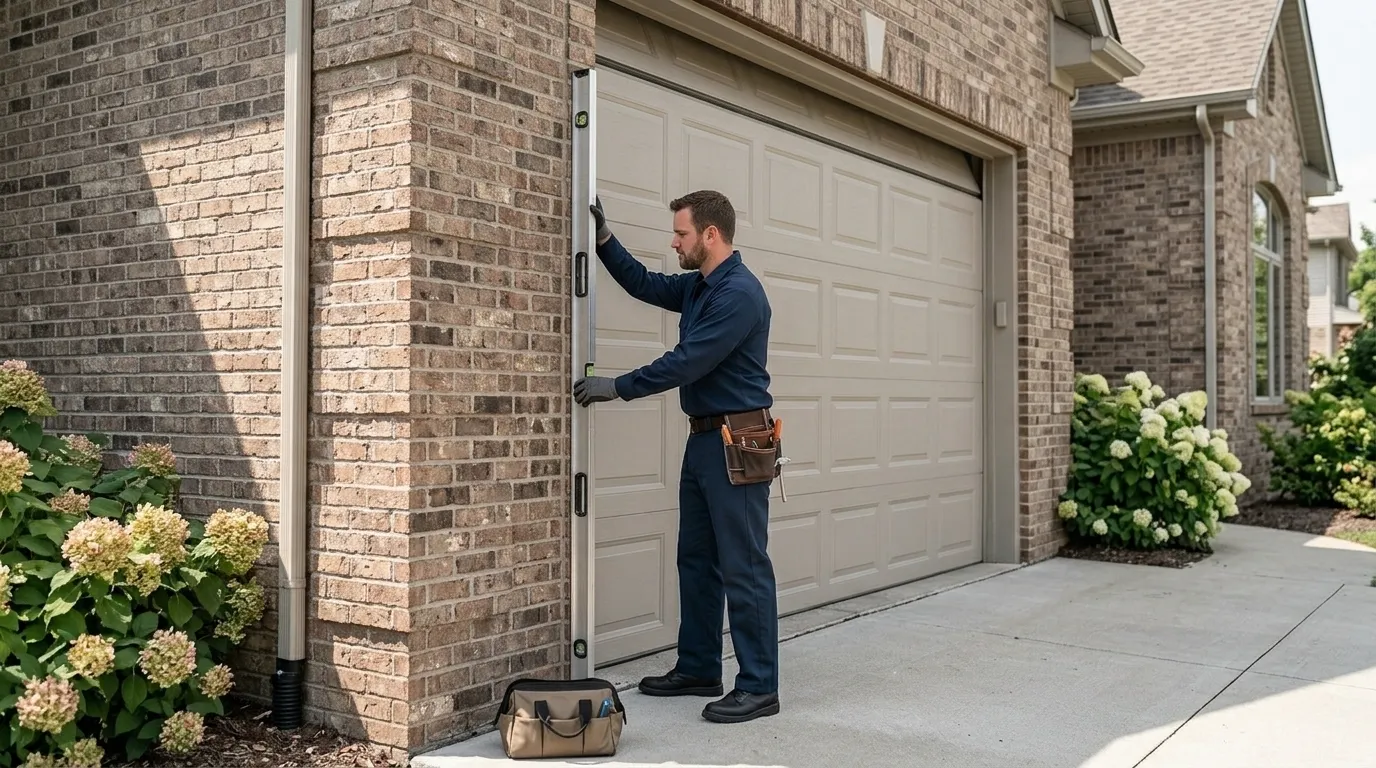
There's a real amount you can do between visits. Once a month, run the door by hand with the opener disconnected and see if it moves smoothly and stays wherever you let go - that's a rough balance check.
Wipe down the tracks and look for anything bent or pulling away from the wall. A light coat of garage-door-rated lubricant on the rollers and hinges (not the track itself) keeps the dry-out from the mild climate's constant low-grade wear from turning into grinding.
Check the cables for fraying near the bottom brackets, and look at the bottom seal - on houses from the 1980s and 90s stock common across this area, that seal has usually been replaced once already and is due again if it's cracked or flattened.
What you shouldn't touch: the torsion spring itself. Adjusting or replacing a wound spring without the right bars is how people lose fingers or worse, and on a door built to 1990s lift specs, the wind tension is not something to guess at. If the door feels heavy, uneven, or the spring looks stretched or gapped, that's a call, not a project.
How Long You Are Without the Door
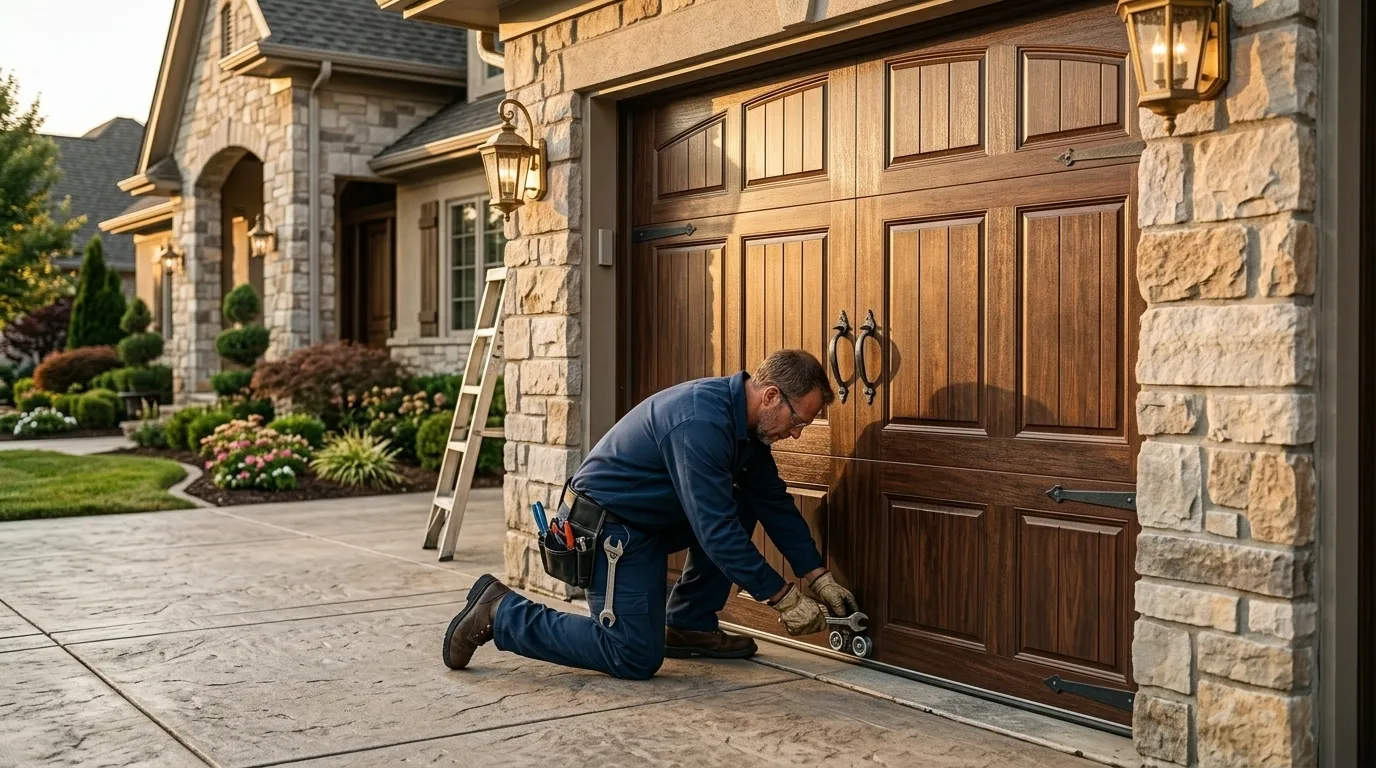
Routine maintenance itself doesn't take your door out of service - a lube-and-check visit happens with the door still working the whole time. The downtime problem shows up when something that should have been caught in maintenance fails outright instead: a snapped cable or a torsion spring that lets go can leave the door stuck shut, or worse, stuck partway open with the house exposed.
We don't have a fixed number to give you for how long a given repair takes once it's diagnosed - that depends on the part and what's on the truck that day - but the honest answer is that maintenance is the cheaper way to avoid finding out. A door that's been checked and lubricated on a schedule rarely fails without warning; one that hasn't tends to fail on a Saturday.
On houses built in the 1968-2011 range that make up most of this area's stock, original springs and cables are the most common point of unplanned failure, and unplanned failure is always slower to fix than a scheduled check.
How It Shows Up
The first sign is usually noise: a grinding or squealing roller, a thump partway through the cycle, or an opener that sounds like it's working harder than it used to. Next is drift - the door doesn't sit flush in the track, or it closes a little crooked. On the older stock common across this area, that's often original hardware finally showing its age rather than anything sudden.
A door that reverses on its own partway down, or one that needs a second push on the remote to get moving, is telling you the balance is off, which usually traces back to spring tension that's degraded over years of the mild climate slowly working on the coil. Households across the service area average $80,311 in income, and most owners we talk to would rather catch this at a maintenance visit than pay for an emergency spring replacement after it lets go entirely.
If the door has started sagging visibly at one corner, or the opener strains and reverses without cause, that's past the maintenance stage - that's a repair call.
Why Tampa Calls Us
Talk to a Technician Before You Book
Describe what the door is doing and get a straight answer on what it likely needs.
Jobs Like Yours
Recent work from this service line.
Frequently Asked Questions
How often does a garage door in Tampa actually need maintenance?
Once a year is the baseline for most doors, twice a year if the door sees heavy daily use. Because the mild climate here doesn't force a seasonal check the way colder places do, it's easy to let a door go three or four years without anyone looking at the springs, cables, or rollers - which is usually when something fails without warning.
Can I lubricate the door myself instead of calling someone?
Yes, for rollers and hinges - a light coat of garage-door lubricant a few times a year is well within reach for most owners. What you shouldn't do yourself is anything involving the torsion spring's wind tension. That part takes the right bars and know-how, and getting it wrong can cause serious injury.
My house was built in the 1980s or 90s - is the original hardware still on the door?
Often, yes. A large share of the housing across this service area dates to that era, and it's common for the original springs, cables, or rollers to still be in place, just worn. If nobody's replaced them, they're due for at least an inspection, even if the door still looks like it's working fine.
Need Garage Door Maintenance for Tampa's Aging Hardware?
Call now for straight answers on cost and timing.