
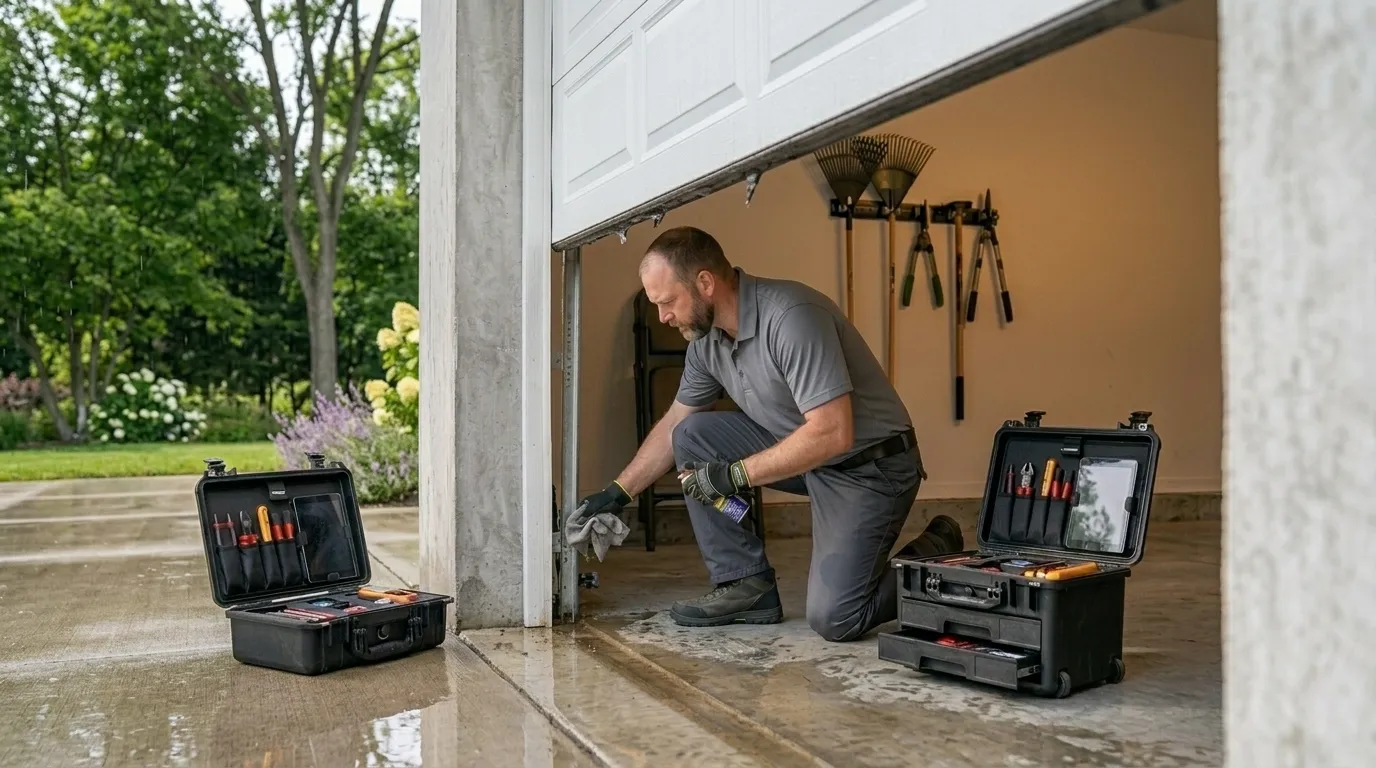
Cable Repair in Keystone
Garage Door Cable Repair for Keystone Homes
Cable repair for Keystone's newer housing stock, built mostly around 1998. We drive out from Tampa to fix frayed, jumped, or snapped lift cables on torsion setups.
What Happens When You Call
-
1
Call or Request a Quote
Tell us what the door is doing and roughly how old the house is - that alone points us toward the likely part before a truck leaves.
-
2
On-Site Diagnosis
A tech checks the spring, cables, tracks, and opener in person and tells you plainly what is actually wrong.
-
3
Straight Price, No Surprises
You get a number before any work starts. It covers parts and labor, nothing added after the fact.
-
4
Fixed the Same Visit
Most repairs are done in one trip. If a part needs sourcing, we tell you that upfront instead of guessing.
How Long You Are Without the Door
The fault we see most in Keystone isn't a snapped cable out of nowhere - it's a cable that's been fraying quietly at the drum for months and finally lets go when someone's halfway out the driveway. Keystone's homes went up mostly around 1998, which puts almost every door here on torsion springs with steel lift cables running through drums at the top of the track, not the older extension-spring rigs you'll find on 1970s builds elsewhere in the service area.
That newer hardware is more forgiving, but the cable itself still does the same job: holding a 150-plus-pound door up against spring tension. When one strand goes, the door usually racks sideways and jams on the track instead of dropping straight down, which means you're locked out or locked in until it's fixed, not just inconvenienced.
How long that lasts depends on when we can get out to you. We work out of Tampa and Keystone sits about 14 miles out, so this isn't a same-block stop - we build the drive into the schedule rather than promise a window we can't back up.
Booking a Visit
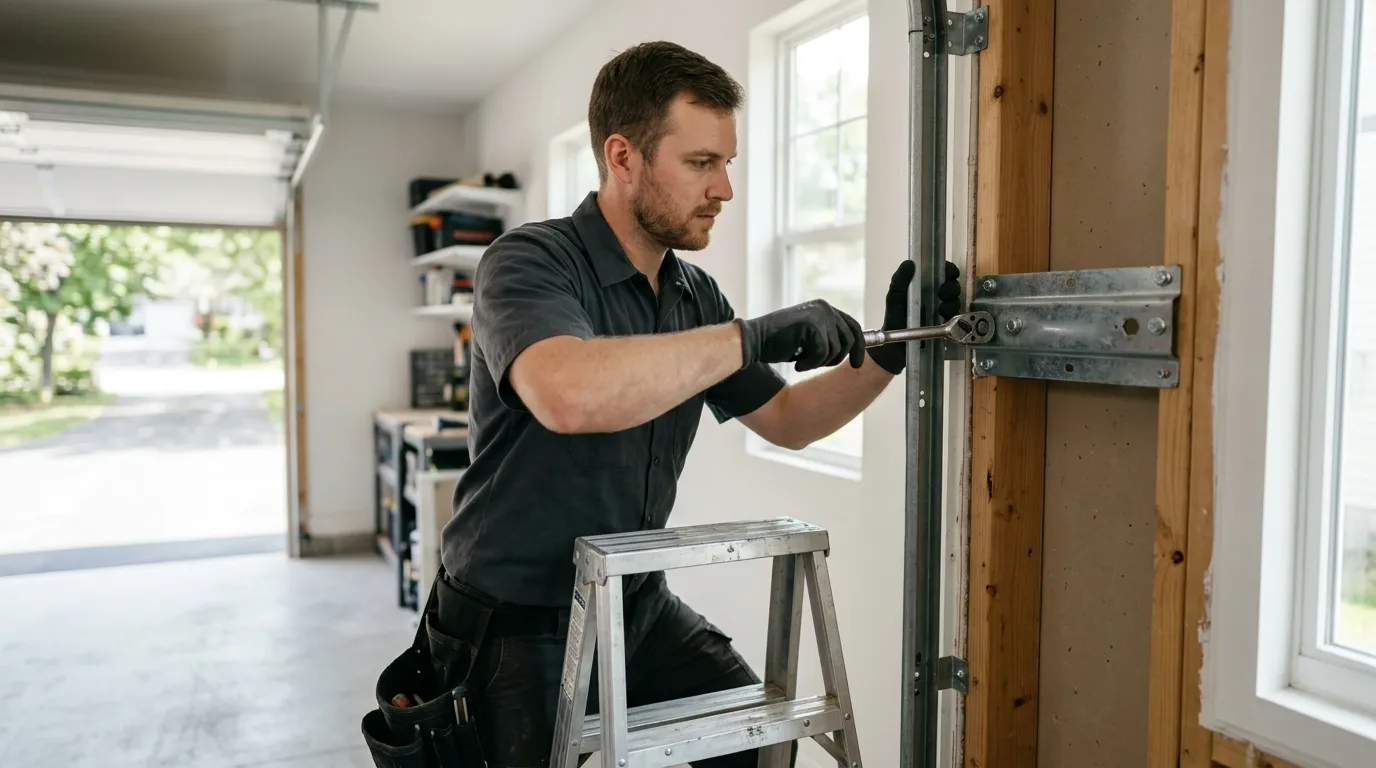
We don't run a branch in Keystone, so every visit here starts as a trip out from Tampa. Tell us what the door is doing - one side hanging low, a cable visibly frayed or snapped, the door stuck halfway - and we'll bring the right cable stock and drum hardware for a torsion setup, since that's what almost every Keystone build from this era uses.
If you're not sure whether it's a cable or a spring, a photo helps more than a description. A broken cable usually shows a curled, unraveled end near the bottom bracket or the drum; a broken spring usually means the door won't lift at all, cable or no cable.
We don't stock a truck depot in Keystone and we're not going to claim a response time we can't hold from 14 miles away. What we can do is quote the job accurately once we know what's failed, and get the drive time factored in up front instead of as a surprise.
How It Shows Up
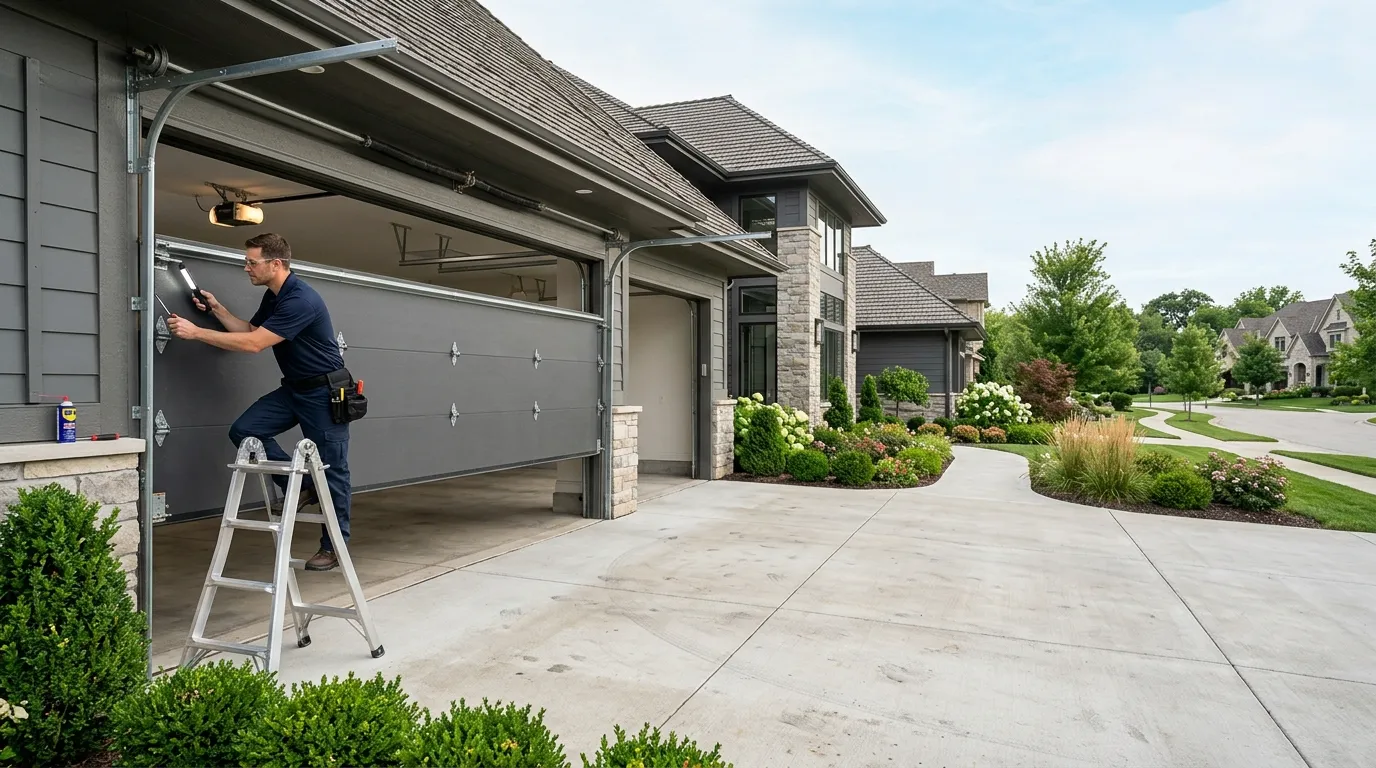
On the newer torsion hardware common in Keystone, a failing cable usually announces itself before it fully breaks. Look for one side of the door sitting slightly lower than the other, a door that jerks or hesitates partway through the cycle, or visible fraying where the cable wraps the drum near the top of the track. Sometimes you'll hear a light popping or clicking sound as strands separate under load, days before the cable actually parts.
Because this area's housing stock is newer - median year built around 1998, well ahead of the 1968-2011 spread across the other 32 named areas we cover - the failure is almost always wear at the drum groove or corrosion at a fixed end, not a mismatched or outdated part. That makes the fix more predictable: replace both cables as a pair, check the drum for a worn groove, and reset cable tension evenly.
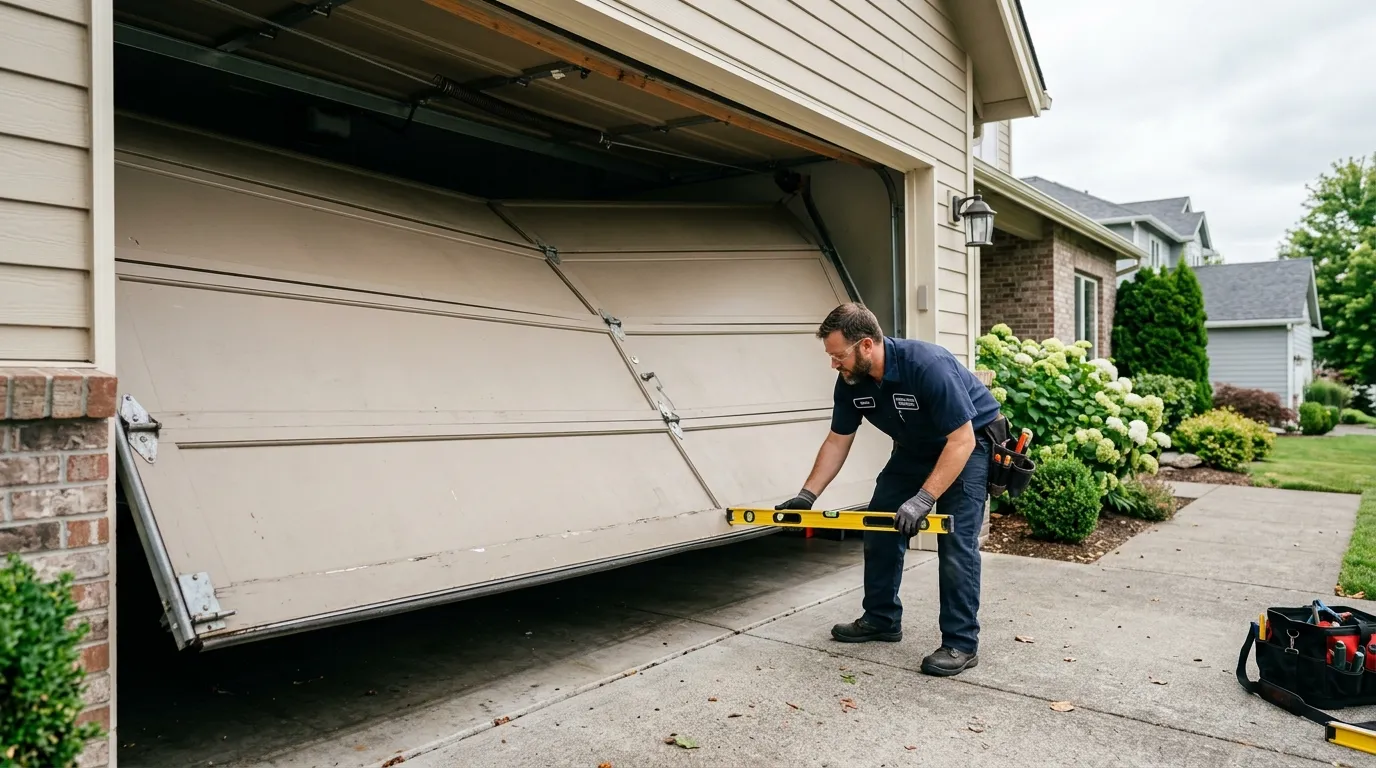
A fully snapped cable looks different - the door drops on one side, sometimes several inches, and won't move at all. If that happens, don't force the opener. Running the motor against a jammed track can bend the section or tear the top bracket loose.
Doing It Yourself
Cable replacement isn't a job to learn on your own door. The cable is under spring tension the moment it's attached, and a slip while it's loaded can put a cable end through a hand or a face. We won't walk anyone through doing this themselves, and if you call asking how, the honest answer is that it's not a DIY repair - that's the one limitation we'll say plainly rather than dance around.
What you can safely do before we get there: disconnect the opener's emergency release so nothing tries to force the door, and keep the door in whatever position it's stuck in rather than pulling or pushing on it. If a cable has already snapped and the door is down, leave it down. If it's stuck partway, don't try to walk it up or down by hand - with one cable gone, the door is unevenly loaded and can shift or fall.
The only tool worth using yourself is a flashlight, to check whether it's a cable frayed at the drum or a spring that's let go entirely. That tells us what to load on the truck before we make the 14-mile trip out.
Why This Fails Locally
A cable failure in Keystone isn't the same repair as one in an older part of the service area, and treating it that way is how a job gets misquoted. With median household income here at $155,365, well above the $80,311 median across the wider service area, more Keystone owners choose to replace both cables and the drums outright rather than patch one side and wait for the other to go - a call that makes sense financially here in a way it might not elsewhere.
The housing stock itself is a factor too. At a median build year around 1998, Keystone sits on newer, more uniform torsion hardware than the mix of 1968-2011 stock spread across the other 32 named areas in the service area, so parts availability and drum sizing are more predictable here than on an older door with mismatched replacement hardware from a prior repair.
The area's mild temperate climate means cables aren't fighting ice load the way they might further north, but sprinkler overspray and humidity still corrode strands from the inside, which is why a cable can look fine on the outside right up until it doesn't.
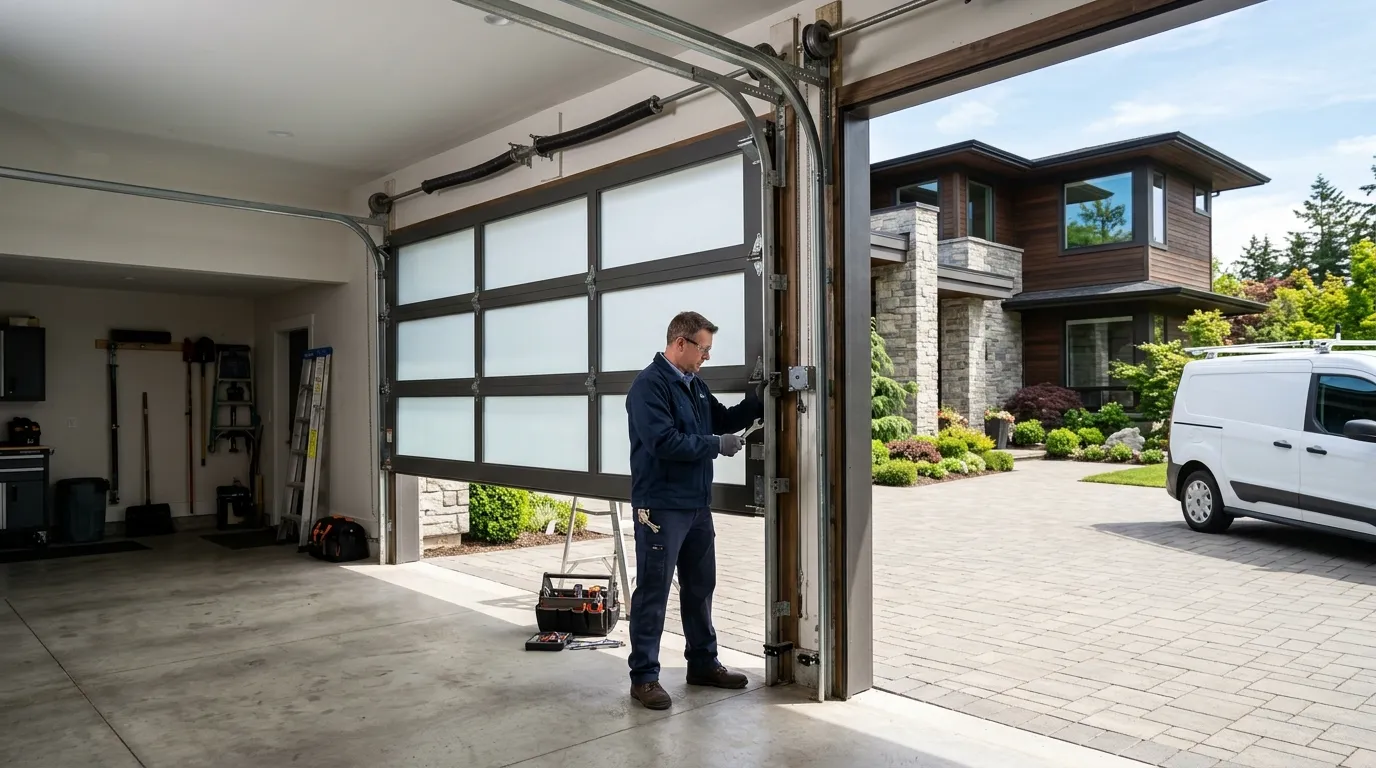
Why Keystone Calls Us
Other Garage Door Services in Keystone
Talk to a Keystone Technician First
Describe what the door is doing and get a straight answer on what it likely needs.
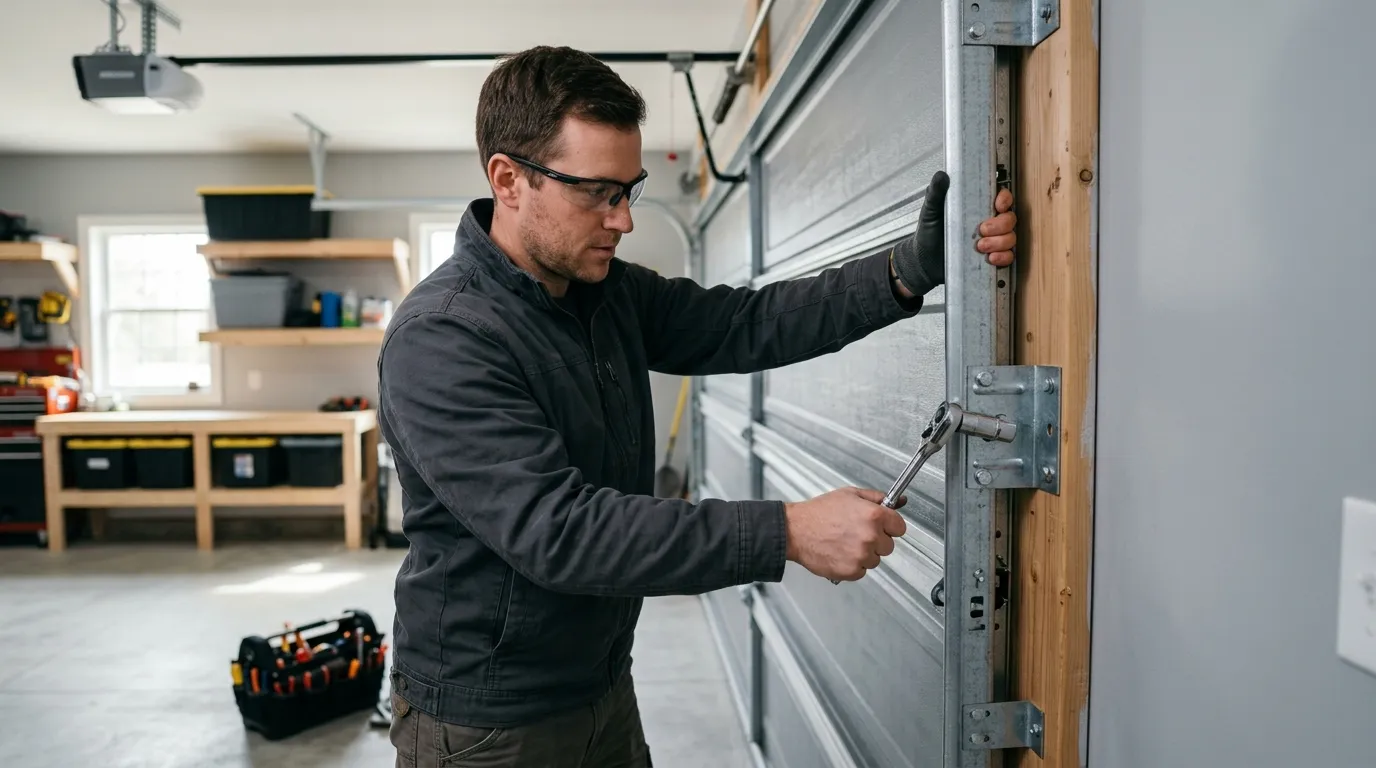
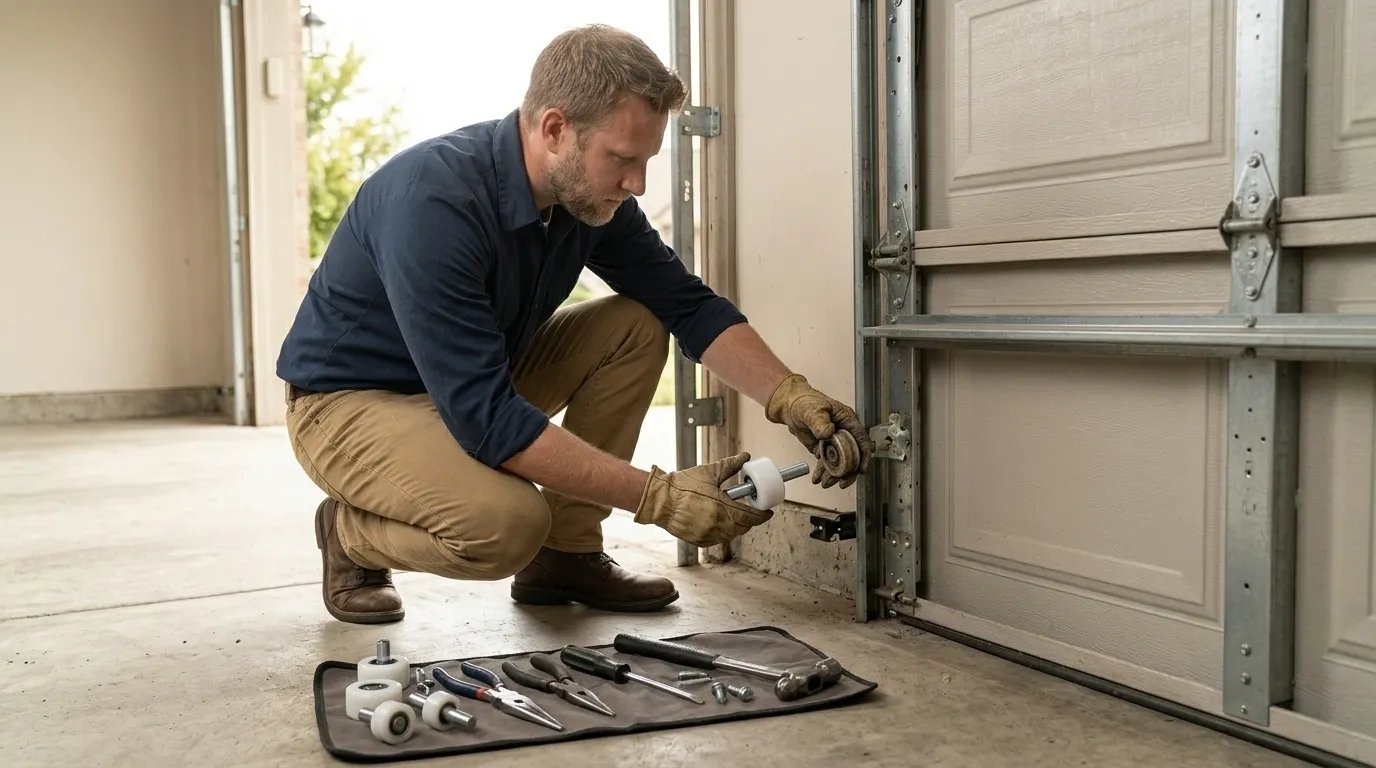
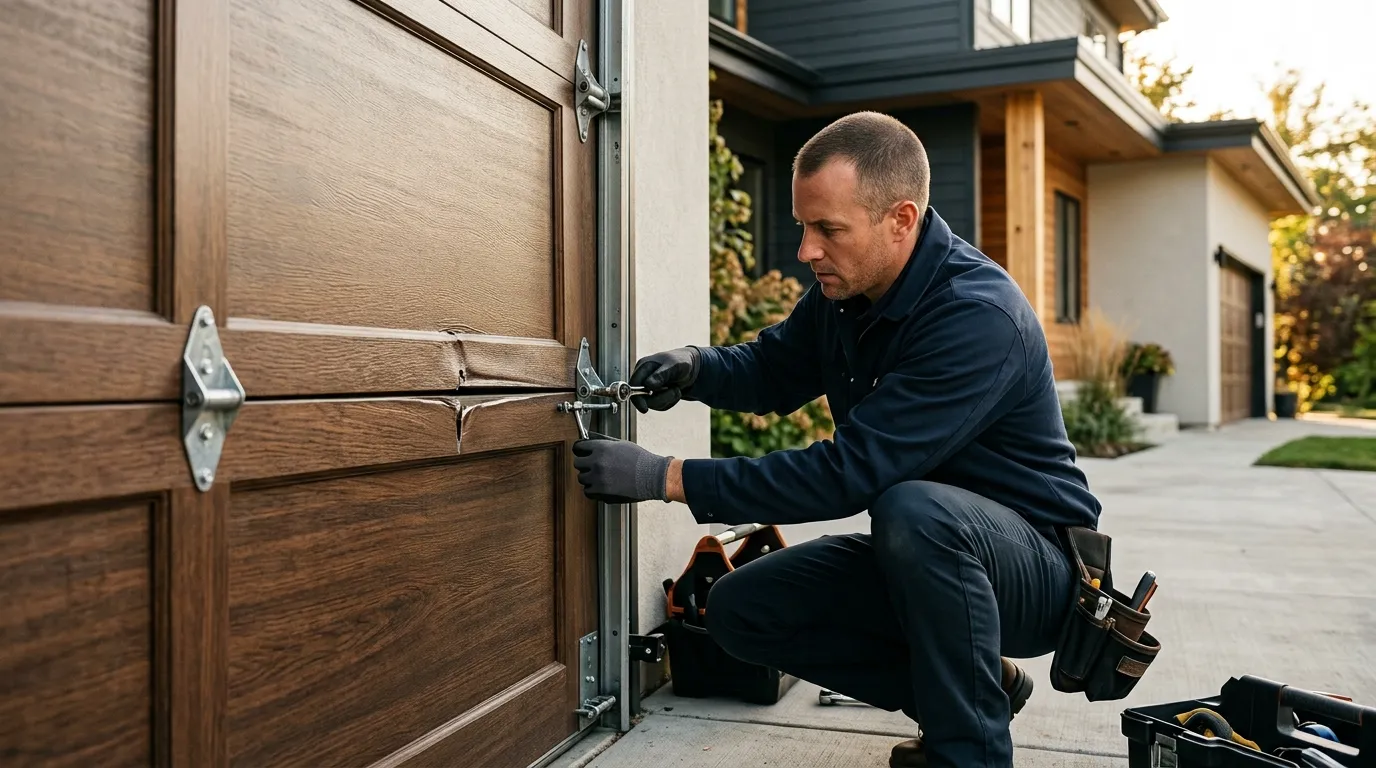
Recent Work in Keystone
A look at jobs our crew has been on nearby.
Frequently Asked Questions
Why does my cable keep fraying at the same spot?
That's almost always the drum groove, the point where the cable wraps and unwraps as the door cycles. On the torsion hardware common in Keystone's newer builds, a worn or slightly misaligned groove will chew through the same section of cable every time, so replacing the cable alone without checking the drum just buys a few more months.
Can one cable break and the other be fine?
Yes, and it's common. Cables don't usually wear evenly, especially if the door's a little racked already. But we replace both as a pair anyway - the second one is close behind, and a return trip from Tampa costs more than the second cable would have.
Do you have a branch near Keystone?
No. We run out of Tampa, about 14 miles out. We factor that drive into scheduling and quoting rather than promising a response time we can't guarantee from that distance.
Is a snapped cable a same-day fix?
Usually, once we know what's failed and have the right cable and drum stock loaded. The bigger variable is scheduling the drive out, not the repair itself - cable swaps on torsion doors like the ones common here typically run under an hour once we're on site.
Need Cable Repair in Keystone?
Call now for straight answers on cost and timing.